


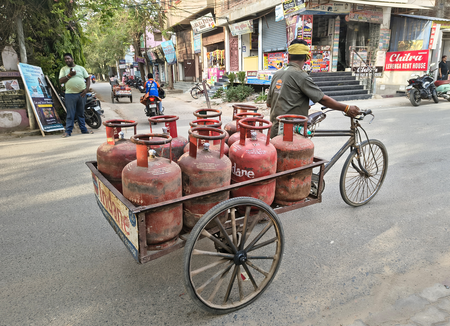
The Centre is contemplating a new fuel price stabilisation mechanism to shield consumers from abrupt fluctuations in petrol, diesel, and LPG prices amidst increasing global energy volatility. Discussions are ongoing among key ministries to establish a dedicated buffer system that can be activated during periods of significant price swings. This initiative is in response to geopolitical tensions in West Asia disrupting global energy supply chains, leading to a surge in crude oil prices and heightened inflation risks for countries like India.
The proposed framework, as per a report by NDTV Profit, is likely to mirror the existing price stabilisation system used for agricultural commodities. This system involves creating buffer stocks that are released into the market during times of sharp price escalation to mitigate volatility. A similar strategy is being explored for fuels, aiming to protect consumers from sudden price spikes by not allowing immediate pass-through of global price shocks.
The plan entails establishing a distinct fuel buffer fund that covers petrol, diesel, and LPG. This mechanism is separate from India’s strategic crude oil reserves, which are primarily for ensuring supply security during severe disruptions rather than managing price fluctuations. Deliberations are in progress among the Ministry of Petroleum and Natural Gas, the Ministry of Consumer Affairs, and other relevant departments to define the fund’s structure and intervention criteria.
The discussions may include predefined thresholds tied to global crude prices or volatility indicators in international energy markets. The objective is not to introduce a permanent subsidy scheme but to mitigate extreme volatility and safeguard household consumption during challenging periods. Any interventions under this mechanism are anticipated to be temporary and measured, with buffers replenished once price conditions stabilize.
