


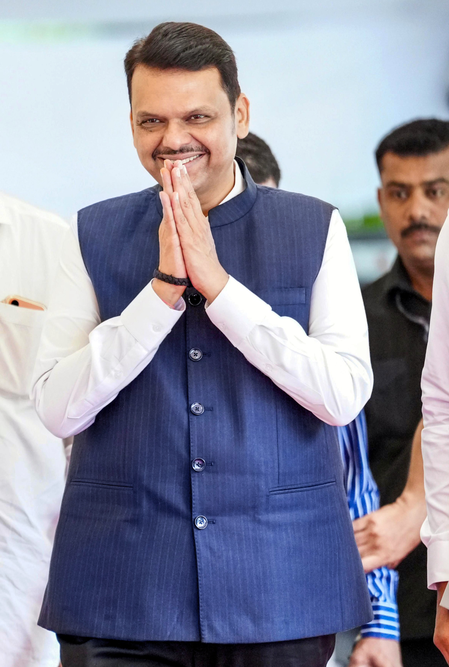
Chief Minister Devendra Fadnavis informed the Legislative Assembly that out of the 138 sanctioned fast-track courts in Maharashtra, only 58 are currently operational. The government is in constant communication with the High Court to ensure judges are available for the remaining courts. Plans were in place to establish 138 fast-track courts, but only 58 could be made functional as judge appointments fall under the judiciary’s jurisdiction.
Over the past year, the government has been requesting judges for the sanctioned courts through correspondence and joint meetings with the Chief Justice. The High Court has indicated that the recruitment and promotion of new judges are in the final stages. Once completed, judges will be assigned to all sanctioned fast-track courts. Some courts have been given ‘designated’ status for specific cases until then, while also handling regular lawsuits.
Chief Minister Fadnavis highlighted the expansion of sessions courts and additional district courts in Pune and other parts of Maharashtra over the last decade. He assured that the government is providing the necessary funds and facilities for judicial infrastructure development. Additional courts are sanctioned based on pending case volumes, with demands from Pune or other areas verified against caseloads for approval.
Legislative Assembly Speaker Rahul Narwekar emphasized the delays in justice delivery due to vacancies in the lower judiciary. He pointed out the backlog of criminal cases, particularly in Pune’s MCOCA court, causing hardship to citizens. Speaker Narwekar urged the immediate filling of vacant judgeships and expedited processes in coordination with the Chief Justice. Chief Minister Fadnavis pledged to prioritize this issue in the next meeting with the Chief Justice and expedite the recruitment process where judges are lacking.
