


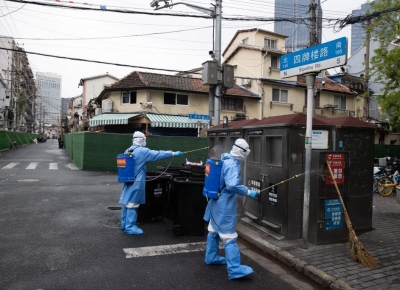
Estimates suggest that China’s Covid-19 death toll among individuals over 65 years old ranges from 1.44 million to 2.56 million excess deaths, surpassing official counts. The country’s Zero Covid policy initially succeeded through strict measures like mass testing, digital surveillance, and extensive lockdowns. However, the emergence of the Omicron variant in late 2022 led to the policy’s failure as infections surged.
Public discontent in China escalated due to prolonged lockdowns and restrictions, culminating in protests reminiscent of those in 1989. Demands for an end to lockdowns and even President Xi Jinping’s resignation were voiced. Responding swiftly, the government officially ended the Zero Covid policy on December 7, 2022, with Xi portraying it as a personal triumph over the virus.
Following the policy shift, China experienced a drastic spike in infections, overwhelming the healthcare system. Reports indicated shortages of essential medical supplies, a surge in elite deaths, and a significant increase in mortality rates. Despite the crisis lasting less than five weeks, the impact was profound, with mortality rates rising notably in 2022 and 2023.
The abrupt reopening of China post-Zero Covid, marked by Xi Jinping’s premature declaration of victory, led to a resurgence of the virus and a stark reality of loss. The aftermath revealed a stark contrast between official statements of success and the harsh truth reflected in increased mortality rates and healthcare system strain.
