


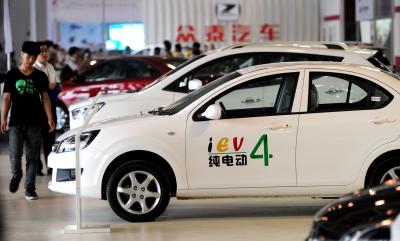
China’s agreement with Canada to export up to 49,000 Chinese electric vehicles (EVs) is seen as more than just seeking market access. A report has cautioned that it could be a strategy for market dominance, potentially impacting Canada’s domestic auto production. The Windsor Star report highlighted concerns that China’s push to flood global markets with competitively priced vehicles, including EVs, could threaten established automakers and leave Canada reliant on Chinese suppliers.
The report pointed out the rapid growth of Chinese automakers in various regions. Chinese brands have significantly increased their share of new-car sales in Europe, rising from under 3% at the beginning of 2025 to over 10% by the end of the year. Economist Robin J. Brooks from the Brookings Institute noted China’s substantial investments to establish itself as a major player in the global automotive industry.
In Brazil, Chinese vehicles went from constituting about 10% of the country’s vehicle imports in 2019 to 36% by October 2025. Notably, Chinese EVs now represent around 80% of Brazil’s EV market. While Canada produces approximately 1.3 million cars annually, Brazil’s production is nearly double that figure at about 2.6 million cars per year.
The report also raised concerns about China potentially employing subsidized pricing strategies and industrial policies for market dominance. Additionally, there are worries about spyware implications linked to the auto deal. The situation underscores broader implications for Canada’s automotive sector and its relationship with Chinese manufacturers.
