


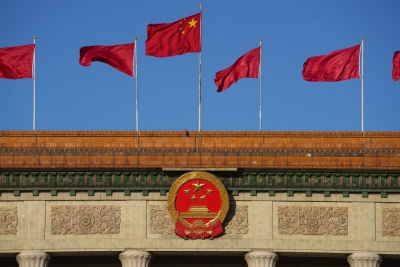
The Sinicisation campaign initiated by Chinese President Xi Jinping requires religious groups to align with Chinese culture, resulting in the demolition of churches and crosses, Bible possession restrictions, and confiscation of unauthorized religious materials. Recent events include the detention of leaders from a Protestant church in Chengdu and the demolition of the Yayang Church in Wenzhou by Chinese authorities. Under Xi’s leadership, there have been reports of harassment of pastors, bans on gatherings, and removal of Christian symbols.
Raising concerns over the arrests in Chengdu, Yalkun Uluyol, a Chinese researcher at Human Rights Watch, emphasized the need for the Chinese government to release the detained underground Protestant church members and allow them to practice their religion freely. The US-based religious rights group ChinaAid has labeled the Chinese government’s actions as a severe escalation in its campaign to eliminate independent Christian faith. Recent incidents include a raid on a Protestant church in Yayang Town, resulting in the arrest of around 100 members.
According to the report, the population of Christians in China has remained stagnant due to increasing restrictions and religious oppression under Xi’s rule. Various Christian groups have criticized the Chinese Communist Party’s policies targeting churches that do not align with its ideology. The United Nations has been urged to address the CCP’s crackdown on Christianity, with reports indicating that Christian persecution in China has reached levels comparable to those during the Cultural Revolution under Mao Zedong. The CCP, under Xi’s leadership, has employed tactics to suppress Christian communities.
