


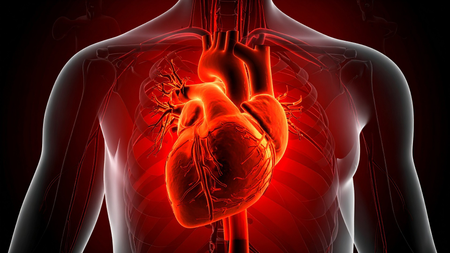
Cold waves and severe air pollution in Delhi are leading to a significant increase in heart and respiratory illnesses, according to health experts from AIIMS, Delhi. The experts emphasized the importance of taking precautions for various health conditions and age groups, especially during extreme weather conditions. Prof. Rajiv Narang from AIIMS explained how conditions like coronary artery disease and cardiovascular disease are exacerbated in cold weather due to reduced blood supply to the heart muscles.
Dr. Narang advised individuals with heart conditions to monitor their blood pressure regularly, especially during winter when blood pressure tends to rise. He recommended having a blood pressure monitor at home and consulting a doctor if the readings exceed 140/90 mmHg. Additionally, he stressed the significance of maintaining a proper diet and staying hydrated to manage heart health effectively.
Dr. Abhijith R. Rao from the Department of Geriatric Medicine at AIIMS cautioned against morning walks in extreme cold and high pollution levels in Delhi. He advised people to avoid going out early in the morning or late in the evening and to engage in daily activities during the daytime, particularly after 11 a.m. when the sun is out. Dr. Rao emphasized the importance of staying active safely to preserve overall well-being during winter.
Dr. Sanjeev Sinha, a Professor of Medicine at AIIMS, highlighted the increased risk of respiratory diseases during cold waves and high pollution levels. He explained how exposure to cold air can trigger bronchospasm, causing constriction of the airways and breathing difficulties. Dr. Sinha noted a rise in patients with COPD visiting AIIMS due to exacerbations of chronic bronchitis and pneumonia, urging those at risk to take extra precautions.
Prof. Rakesh Lodha, a paediatrician, stressed the vulnerability of young children to cold-related health issues. He advised ensuring children are appropriately dressed in warm clothing, including head coverings, to protect them from cold exposure. Scarves or handkerchiefs can also help reduce exposure and maintain children’s well-being during winter.
