


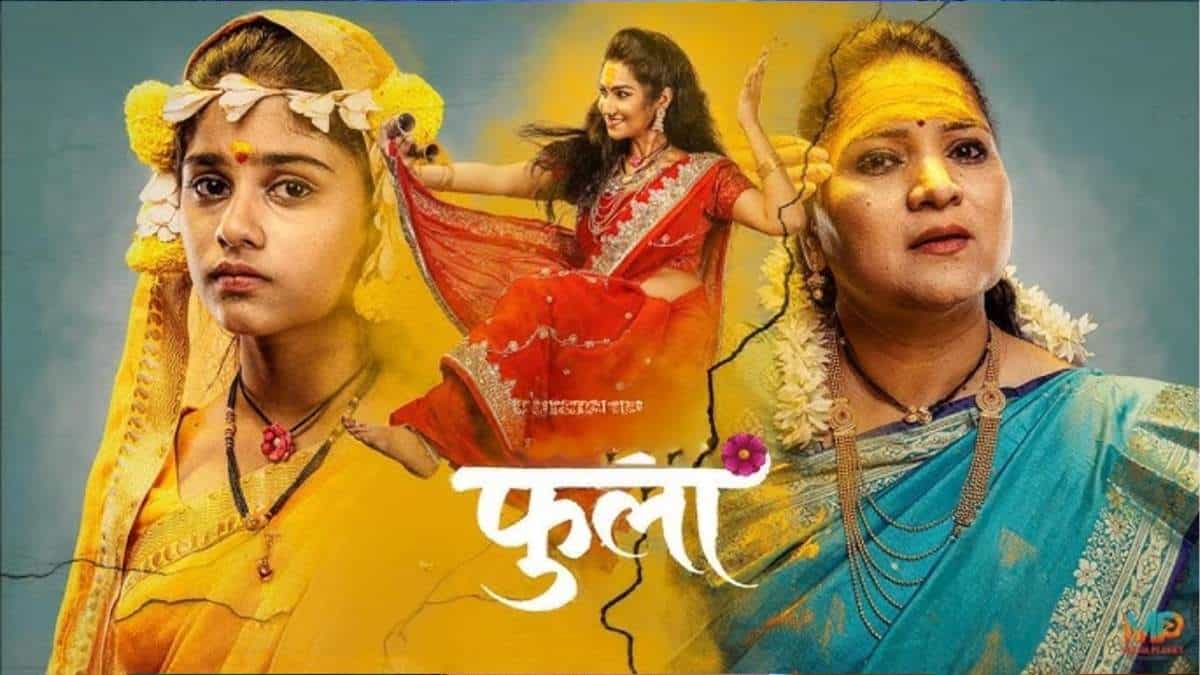
Marathi cinema has always had a soft spot for stories rooted in tradition, identity, and the spirit of its people — and Phula arrives as one such earnest offering. Directed by Abhishek Javir and produced under the Shivsharvil Movie and Bodhi Cinema banner, this film tells the poignant story of a girl bound by religious custom yet liberated through the power of folk art. With its emotionally charged premise and cultural underpinnings, Phula makes for a deeply humane cinematic experience that resonates long after the credits roll.
Phula is a moving Marathi drama about a girl forced into religious servitude who transforms her pain into artistic glory. Despite its unhurried narrative pace, the film’s cultural depth, emotional core, and meaningful subject matter make it a worthwhile watch for lovers of meaningful regional cinema.
Certificate: UA
Director: Abhishek Javir
Story: Abhishek Javir
Music: Samadhan Aiwale
Plot Summary
Phula follows the life of a young girl who is forced into devdasi-like religious servitude, her dreams of education cruelly snatched away by circumstance and societal pressure. Rather than succumbing to her fate, she channels her sorrow and strength into folk art, eventually rising to become a celebrated performer admired by many. However, her journey is far from a fairy tale — betrayal, abuse, and the devastating loss of her child shadow her rise. The film reaches its emotional peak in a poignant final performance that serves as both a celebration and an indictment of a culture that exploits its women even as it applauds them.
Also Read: Matka King Review: Vijay Varma’s Finest Hour in a Gripping Bombay Crime Drama
Performances
Priyaantika carries the emotional weight of the titular role with sincerity and heart. Her portrayal of Phula’s transformation — from a wide-eyed dreamer to a resilient folk artist navigating trauma — is the film’s most compelling aspect. Deva Gadekar brings a grounded presence to his role, while Manjusha Khetri adds warmth in her supporting capacity. Ravikiran Javir, Arohi Gadade, and Sunny Kadam round out the ensemble with committed performances that serve the story’s emotional needs. Sharad Landage and Santosh Shinde offer steady support that anchors key dramatic scenes.
Technical Aspects
Samadhan Aiwale’s music complements the folk-centric world of the film, with a soundtrack that feels culturally authentic. While no single track emerges as a chartbuster, the score consistently serves the mood of the narrative. The lyrics, penned by Ravikiran Javir and Aiwale, carry folk flavour and thematic depth. Ashutosh Kirtikar and Shrushti Jadhav’s choreography captures the raw energy of traditional dance forms, adding visual texture to Phula’s artistic journey. Pratap Joshi’s cinematography frames the rural landscape with warmth and authenticity, and Atul Lokhande’s production design succeeds in immersing the viewer in a believable period-inflected world. Rahul Prajapati’s editing maintains the film’s meditative rhythm, allowing emotional beats the space they deserve.
Strengths & Weaknesses
Strengths
- Powerful and socially relevant subject matter rooted in lived reality
- Heartfelt lead performance by Priyaantika
- Authentic cultural and folk art representation
- Emotionally resonant climax that lingers
Weaknesses
- Narrative pacing is leisurely and may test the patience of mainstream viewers
- Some supporting characters could have been developed further
- The music, while sincere, lacks a standout track given the film’s folk art theme
Final Verdict: 4/5 Stars ⭐⭐⭐⭐
Phula is a film that wears its heart on its sleeve. It may not offer the commercial fireworks of mainstream Marathi entertainers, but it compensates with cultural sincerity, emotional depth, and a story that deserves to be told. The film shines a light on gender exploitation and the erasure of women’s dreams under the guise of tradition — a message that is as urgent today as ever. For viewers who appreciate purposeful, rooted storytelling, Phula is a rewarding and thought-provoking cinematic experience.
What is the age certificate for Phula (2026)?
Phula is certified UA, meaning it is suitable for general audiences with parental guidance recommended for younger children.
Is Phula suitable for family viewing?
Yes, Phula is a family-friendly Marathi drama.
Is Phula based on a true story?
Phula is not officially stated to be based on a specific true story, but it draws heavily from the real-life practice of religious servitude and the experiences of folk artists in Maharashtra, lending it a strong sense of authenticity and social realism.
