


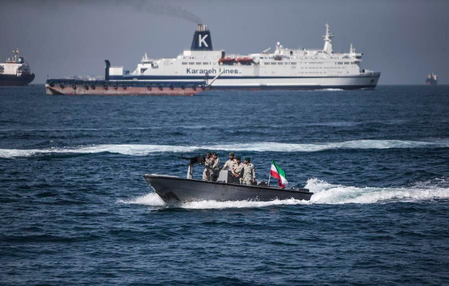
Concerns have surfaced regarding the future of the Strait of Hormuz following President Donald Trump’s recent agreement with Iran. Critics, including lawmakers, former officials, and energy experts, fear that Tehran could gain significant leverage over this vital maritime chokepoint. The agreement, which ended months of conflict, has raised questions about whether Iran’s control over the strait could strengthen, impacting global oil and gas supplies.
Former White House energy adviser Amos Hochstein highlighted the potential consequences, emphasizing Iran’s increasing influence over the strategic waterway. Hochstein expressed concerns about Iran’s ability to potentially impose tolls or fees for passage through the strait, extending beyond mere navigation rights. Similarly, former Defence Secretary Mark Esper warned against allowing Iran to control the strait, citing potential strategic setbacks if such control were to materialize.
The Trump administration, however, refutes claims that the agreement undermines the US position. US Ambassador to the United Nations Mike Waltz asserted that negotiations were conducted from a position of strength, emphasizing Iran’s continued economic, military, and diplomatic vulnerabilities. Waltz also pointed out international condemnation of Iran’s actions in the strait, citing a United Nations vote where 143 countries condemned Iran for disrupting global commerce.
Republican Senator Lindsey Graham hinted at a strong US response if diplomatic efforts fail, suggesting that the US would take control of the Strait of Hormuz if necessary. Energy analysts stress the significance of the strait’s future status, noting its critical importance alongside nuclear negotiations. Kevin Book of ClearView Energy Partners highlighted the region’s energy market sensitivity, cautioning that stabilizing prices and inventories could be prolonged even if tensions ease.
