


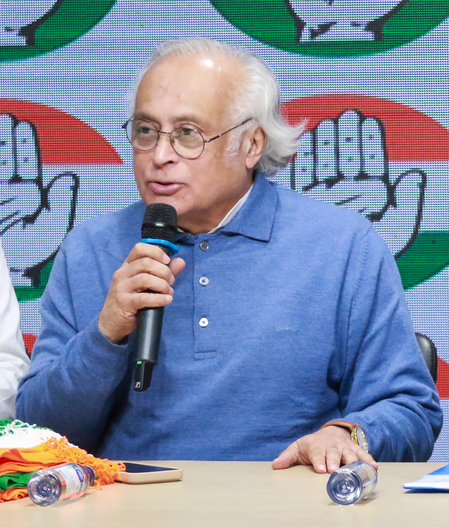
The Congress has raised alarms over reports suggesting that tribals are facing coercion from the district administration to give up their “ancestral lands” for the Rs 92,000 crore Great Nicobar island project. Former environment minister Jairam Ramesh condemned the situation, labeling it as an “ecological disaster.” Ramesh, the General Secretary in-charge Communication of the Congress, highlighted the issue through a social media post, attaching a news report outlining the pressure on tribals to relinquish their lands.
His concerns come amidst ongoing legal proceedings at the Calcutta High Court and the National Green Tribunal, with professionals also expressing apprehensions. Despite these objections, Ramesh criticized the Modi government for its apparent indifference towards the matter. The Union Environment Ministry, however, has refuted claims of environmental risks associated with the project, citing careful consideration of ecological impacts and the project’s strategic, defense, and national significance.
According to records from 2024 related to the Ministry of Environment, Forest and Climate Change, the decision to proceed with the Great Nicobar Island project was made after evaluating potential environmental consequences and recognizing the project’s importance. The Environmental Impact Assessment (EIA) process, as per the 2006 notification, mandates prior clearance for new projects or activities, involving stages like screening, scoping, public consultation, and appraisal.
Various studies, including environmental impact assessments and mitigation measures, were conducted by reputable organizations like the Zoological Survey of India (ZSI) and the Wildlife Institute of India (WII). The appraisal process involved expert committees comprising specialists from different fields, ensuring the safeguarding of marine and terrestrial biodiversity. Additionally, the Environmental Clearance letter outlined 42 specific conditions to protect the project’s components, with the establishment of monitoring committees for pollution, biodiversity, and tribal welfare matters.
