


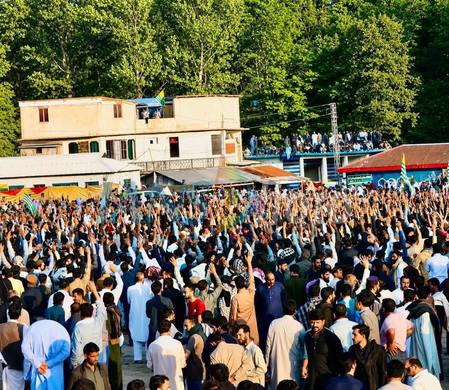
There is a current controversy in Pakistani media regarding the involvement of the Pakistan-occupied Jammu-Kashmir (PoJK) diaspora in crimes in Europe. Experts have suggested a link between criminal behavior and ethnicity, language, and societal beliefs of PoJK residents. This shift in attitude raises questions about the sudden focus on PoJK inhabitants by the Pakistani media.
Pakistan views the people of PoJK, including Gilgit Baltistan, as colonial subjects, depriving them of basic rights and freedoms. Despite the region’s abundant natural resources, residents are kept dependent on handouts with limited development funds and legislative authority. PoJK plays a crucial role in providing Pakistan with resources and a transit route to China.
The economic and political progress in Indian Jammu Kashmir and Ladakh has led to growing frustration among PoJK citizens. They believe that India has done more for the region than Pakistan, sparking demands for improved care and rights. However, Pakistan’s mismanagement and corruption have hindered its ability to address the grievances of the people, leading to discontent and protests.
The Pakistani government’s failure to meet the basic needs of PoJK residents has resulted in power outages, high fuel taxes, and economic challenges. In response to dissent, the Pakistani army has adopted repressive measures, targeting demonstrators and using the media to justify its actions. The situation in PoJK echoes past instances where racism was used to suppress rights and prolong occupation.
