


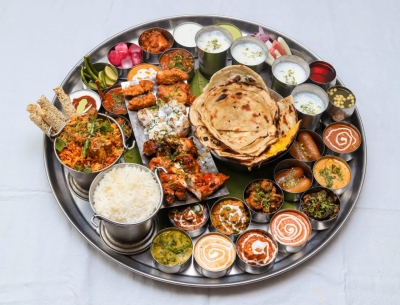
The cost of a home-cooked vegetarian thali remained unchanged in February, while a non-vegetarian thali saw a 3% decline, as per a Crisil Intelligence report. Despite decreases in onion, potato, and pulse prices, the veg thali cost stayed steady due to a sharp rise in tomato prices. Onion prices dropped by 24% year-on-year, mainly due to a surplus of late kharif onions.
Potato prices also fell by 13% year-on-year, coinciding with the peak harvest phase and continued clearance of cold storage stocks from the previous season. Pulse prices decreased by 9% year-on-year, attributed to higher opening stocks in the current fiscal. The calculation of thali costs considers input prices across different regions of India, impacting common man’s spending habits.
The decline in non-veg thali cost was driven by a 7% estimated drop in broiler prices, constituting half of the total cost. Tomato prices surged due to delayed transplantation, leading to a 32% year-on-year decrease in crop arrivals between November 2025 and January 2026. Vegetable prices are anticipated to soften soon, with tomato prices expected to remain high until mid-April before tightening with seasonal arrivals.
Potato prices are likely to remain subdued during March-April, the peak arrival season, while onion prices may face pressure unless exports increase significantly in the next few months. Uncertainties in the Middle East and potential trade disruptions could impact basmati rice demand, particularly from Iran and other Middle Eastern countries, affecting nearly 18% and 55-60% of India’s basmati rice exports, respectively. Exporters are cautious about logistical challenges in the region.
