

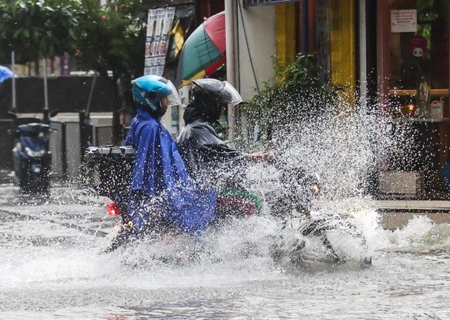
The Philippine Office of Civil Defence reported that the death toll has reached 18 due to the impact of Typhoon Bavi and the enhanced southwest monsoon. Additionally, 12 individuals are still missing following the severe weather conditions. Landslides and drowning are cited as the primary causes of most fatalities.
Around 562,000 people have been affected across the Philippines as a result of the adverse weather conditions. The Philippine Atmospheric, Geophysical and Astronomical Services Administration (PAGASA) has warned of continued heavy rains in various areas, heightening the risks of flooding and landslides.
Search and rescue operations are underway in the affected regions, with authorities also conducting post-disaster response efforts. The Philippine Coast Guard has reported numerous stranded passengers at seaports due to rough sea conditions. China has also intensified flood control and disaster relief measures in response to Typhoon Bavi’s impact on several parts of the country.
Typhoon Bavi, the ninth typhoon of the year, made landfall in east China’s Zhejiang Province twice before moving inland. The typhoon is forecasted to gradually weaken as it progresses northwest. Zhejiang Province has experienced heavy rainfall, covering a significant portion of its area.
This July typhoon is the strongest to hit Zhejiang since 1949, posing risks of flash floods, geological disasters, and urban waterlogging due to its size and strength. Hu Yaowen, the chief engineer of the provincial department of emergency management, highlighted the significant impact of Typhoon Bavi on the region.
Death toll rises to 18 from Typhoon Bavi and southwest monsoon in the Philippines


Indian Community Editorial Team
The Indian Community Editorial Team curates, verifies, and publishes stories that matter to Indians worldwide. From culture and community to business and innovation, our mission is to spotlight voices, ideas, and events that bring our global community closer together. Have news or a story to share? Submit it to us at [email protected].
Add A Comment