


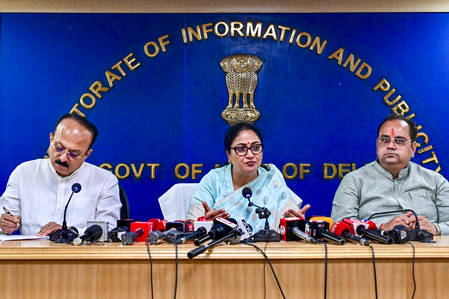
Delhi Chief Minister Rekha Gupta announced the approval of the Delhi EV Policy 2026, effective from July 1 to March 31, 2030, to boost Zero Emission Vehicles. The policy includes a government investment of over Rs 7,000 crore for infrastructure upgrades and Rs 8,000 crore in tax waivers and incentives for EV users. This initiative is expected to provide citizens with benefits totaling around Rs 15,000 crore, focusing on tax exemptions and EV infrastructure enhancements.
The primary goal of the policy is to transform Delhi into a pollution-free and clean transport capital by promoting Zero Emission Vehicles and advancing its Smart City status. Under this policy, all pure EVs will enjoy a 100% waiver on road tax and registration fees, with eligibility extending to four-wheelers priced up to Rs 30 lakh. Chief Minister Gupta highlighted that the policy targets various vehicle types, including two-wheelers, three-wheelers, four-wheelers, light goods trucks, and grameen Seva vehicles.
In addition to encouraging the adoption of EVs, the policy emphasizes the importance of scrapping old vehicles and enhancing EV charging infrastructure. Chief Minister Gupta emphasized that the subsidies are structured to reduce the cost disparity between conventional vehicles and EVs. She commended Cabinet Ministers Pankaj Kumar Singh, Ashish Sood, and Manjinder Singh Sirsa for considering input from all stakeholders to ensure the policy’s potential to transform the city’s transportation landscape. A study cited by the Delhi government indicates that commercial vehicles and two-wheelers/three-wheelers contribute significantly to vehicular pollution in the city.
