


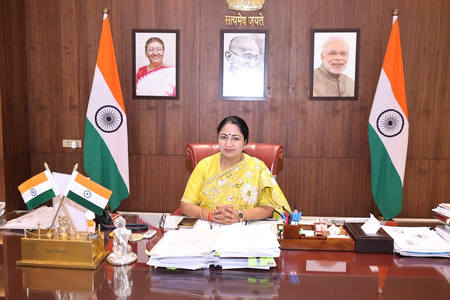
The Delhi government has increased the financial authority of the Municipal Commissioner from Rs 5 crore to Rs 50 crore. This move aligns with Chief Minister Rekha Gupta’s emphasis on prompt completion of civic projects and quicker delivery of benefits to the public. The decision aims to expedite development works from approval to implementation, allowing the Commissioner to sanction projects and schemes costing up to Rs 50 crore independently.
The Chief Minister highlighted that this step underscores the government’s dedication to efficient governance, administrative effectiveness, and prioritizing public convenience. By empowering the Commissioner to approve projects up to Rs 50 crore, the decision-making process is expected to be significantly hastened. This enhancement is set to streamline the execution of projects related to vital civic amenities, ensuring faster delivery of benefits to the public.
Previously, the Municipal Commissioner could only approve projects up to Rs 5 crore, with larger projects necessitating clearance from the Corporation’s Standing Committee and the House of the Corporation. This multi-tiered approval process often caused unnecessary delays in project execution. By elevating the Commissioner’s financial powers to Rs 50 crore, the implementation of schemes is anticipated to become more straightforward, efficient, and expeditious.
The increased delegation of powers is poised to facilitate the timely completion of projects concerning infrastructure like roads, drains, sanitation, community facilities, and other essential civic services. It is expected to expedite the progress of longstanding projects, diminish procedural hindrances, and ensure that development endeavors promptly benefit the citizens.
On January 30, the Delhi government sanctioned a one-time financial aid of Rs 500 crore to the Municipal Corporation of Delhi (MCD) to enhance the city’s cleanliness and combat dust pollution. This assistance aims to fortify the sanitation system and mitigate dust-related pollution in the capital. The allocated funds will be utilized for sanitation initiatives and minor road repairs, including filling potholes and patch repairs, to reduce dust emissions citywide.
