


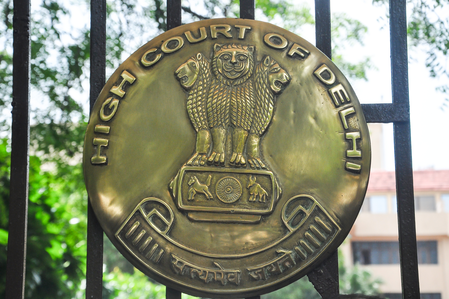
The Delhi High Court has acquitted Major General Anand Kumar Kapur (retd.) in a disproportionate assets case. The court found the prosecution failed to prove he possessed assets disproportionate to his known income sources. Major General Kapur was convicted in 2016 under the Prevention of Corruption Act but the court set aside the conviction.
The case originated from a CBI FIR in 2007 alleging Major General Kapur amassed disproportionate assets. The High Court noted the denial of a fair opportunity for the officer to present defense evidence. The trial court’s closure of the defense case abruptly was criticized for not allowing the appellant to conclude witness examinations.
The High Court emphasized that procedural timelines cannot compromise constitutional safeguards. It stressed that the right to a fair trial is a substantive safeguard under Article 21 of the Indian Constitution. The judgment highlighted the importance of ensuring fairness in criminal trials and the need to avoid rushing trials at the expense of justice.
On the issue of sanction for prosecution, the High Court ruled that an invalid sanction order undermines the trial. The court found serious flaws in the sanction process, noting that relevant material was not presented to the sanctioning authority. The judgment emphasized the significance of a valid sanction for public servants facing criminal charges.
The High Court underscored the severity of corruption allegations against public servants. It stated that corruption tarnishes reputations and emphasized the duty of courts to ensure fair trials. The judgment highlighted the detrimental impact of corruption on society and the importance of holding individuals accountable for corrupt practices.
