


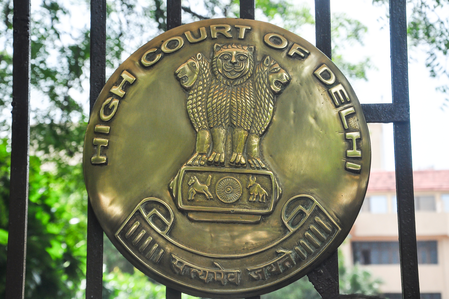
Observing that delays in registering FIRs can hinder investigations into the unnatural deaths of young married women, the Delhi High Court has emphasized the need for urgent attention to such cases, especially those involving dowry-related harassment allegations. Justice Swarana Kanta Sharma, in rejecting anticipatory bail pleas by a husband and his parents in a case related to a woman’s death within seven months of marriage, highlighted the significance of timely FIR registration.
The court stressed the importance of listing applications for FIR registration in cases of young women’s unnatural deaths shortly after marriage on expedited schedules to prevent investigative delays. Justice Sharma expressed hope that such matters, particularly those involving dowry-related allegations where police fail to act promptly, would receive swift attention from the courts to avoid prolonged unresolved issues.
The deceased, identified as Heena alias Anu, married Sandeep alias Sunny on December 11, 2024, and passed away on July 3, 2025, under suspicious circumstances. Despite suspicions raised by her parents immediately after her death, no FIR was initially lodged. Subsequently, the woman’s father filed a detailed complaint alleging dowry demands and mistreatment by the husband and in-laws, leading to an FIR being registered only after judicial intervention more than eight months later.
The court expressed concern over the significant delay in registering the FIR, noting that the entire process took longer than the duration of the deceased’s marriage. Justice Sharma cautioned that such delays could lead to evidence loss, witness memory fade, and crucial material erosion, hindering the truth-seeking process in such cases. The court also rejected claims that the family’s allegations were an afterthought, emphasizing the challenges faced by bereaved parents in articulating grievances immediately after a tragic loss.
