


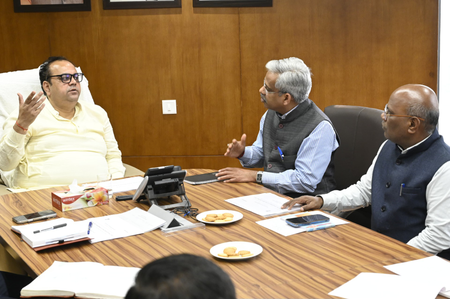
Delhi’s IT Minister, Pankaj Kumar Singh, engaged with experts to explore implementing an Auto-Appeal Mechanism under the Delhi (Right of Citizens to Time-Bound Delivery of Services) Act, 2011. The aim is to establish a system that automatically addresses delays without burdening citizens, fostering a transparent and accountable governance model. Singh emphasized the need to learn from other states to create a robust framework for Delhi.
The Delhi government is dedicated to enhancing transparency, accountability, and efficiency in public service delivery throughout the national capital. This initiative aligns with the Union Cabinet Secretariat’s recommendations for regulatory and procedural reforms to improve ease of doing business and ensure timely service delivery frameworks. The meeting also involved a review of the current framework of the Delhi RTS Act, which oversees 537 services through the e-Service Level Agreement portal.
Under the existing mechanism, applicants must intervene to initiate appeals in case of delays, with accountability primarily triggered post-timeline breaches through manual inquiry. The proposed system-driven approach seeks to automate appeal filings upon service timeline expiry, eliminating the need for applicant action. It also aims to facilitate structured escalation to higher authorities, supported by real-time dashboards and transparent monitoring.
The discussion highlighted the Haryana Right to Service framework, specifically its Auto-Appeal System, as a benchmark. This system ensures automatic escalation, stipulated penalty provisions, and continuous digital oversight until resolution. Exploring similar features for integration into Delhi’s statutory and administrative setup was a key focus of the meeting.
