


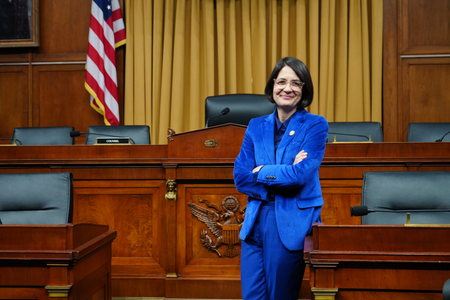
Two senior Democratic lawmakers, including Pramila Jayapal, have called on Meta and Google to terminate their digital advertising collaborations with the US Department of Homeland Security. They allege that Immigration and Customs Enforcement (ICE) has utilized these platforms for recruitment and “self-deportation” ads featuring white nationalist imagery and rhetoric. Representatives Becca Balint and Pramila Jayapal have written to the CEOs of Meta and Google, seeking explanations on their agreements with DHS and demanding a halt to the ads.
The lawmakers claim that ICE is intensifying its recruitment efforts, deploying more officers to various cities and relaxing hiring standards. They assert that ICE has resorted to paid digital advertising on major platforms, using content associated with white nationalist themes to attract new agents. Balint and Jayapal caution that ICE’s partnership with Google involves a campaign employing white nationalist-inspired propaganda for recruiting immigration enforcement agents.
According to the letters, DHS spent over $1 million on “self-deportation” ads in the recent past, with a significant portion allocated to Spanish-language ads on Google and YouTube. The total expenditure on ads with Meta and Google by ICE in the previous year amounted to $5.8 million. The lawmakers highlighted instances where DHS utilized slogans and imagery linked to white nationalist groups in recruitment ads.
Balint and Jayapal’s letters to Meta revealed that DHS directed substantial funds towards “self-deportation” ads targeting individuals interested in Latin music, Spanish language, and Mexican cuisine. They also pointed out that DHS paid Meta millions for recruitment ads on Facebook and Instagram. The lawmakers criticized ICE for lowering hiring standards, such as waiving age limits and offering large signing bonuses, leading to inadequately vetted and trained recruits.
The lawmakers expressed concerns over the consequences of deploying underqualified ICE agents, citing deaths, warrantless arrests, mass raids, and a surge in deaths in ICE custody. They questioned the compliance of these ads with Meta’s and Google’s hate speech policies and requested details on the duration and extent of their agreements with DHS. Balint and Jayapal sought clarification on whether the companies ensured the ads aligned with their internal standards and if there was communication with DHS regarding the ad content.
