


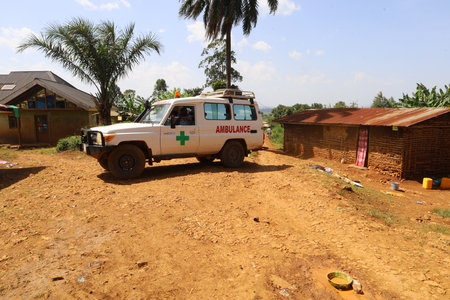
The Democratic Republic of the Congo is grappling with a new Ebola outbreak, with Health Minister Roger Kamba stating that it could take up to six months to bring it under control. Around 1,000 people are displaying symptoms consistent with Ebola, of which 101 cases have been confirmed through lab tests. The death toll is estimated at approximately 220, with 17 deaths confirmed by testing, and authorities are monitoring about 3,600 contacts.
The outbreak, caused by the Bundibugyo strain of the Ebola virus, has affected three provinces: Ituri, North Kivu, and South Kivu. The epicenter remains the mining town of Mongbwalu in Ituri. Unlike the more common Zaire strain, early symptoms of Bundibugyo may resemble malaria, making detection challenging. Currently, there is no licensed vaccine or specific treatment for this strain.
Health authorities are intensifying efforts to combat the outbreak, deploying diagnostic capabilities closer to affected areas and enhancing testing supplies. Despite challenges such as community resistance and insecurity, the government is implementing strategies like surveillance, contact tracing, and safe burials to contain the virus. Plans are underway to recruit 60,000 community health workers nationwide to bolster disease surveillance and health education.
The International Civil Aviation Organization has assured the safety of international air services amid the outbreak, emphasizing adherence to WHO guidance. It is crucial for affected countries to focus on exit screening in impacted areas rather than imposing broad travel restrictions. The WHO has advised against border closures, emphasizing the importance of preventing confirmed cases and contacts from traveling unless for medical evacuation purposes.
