


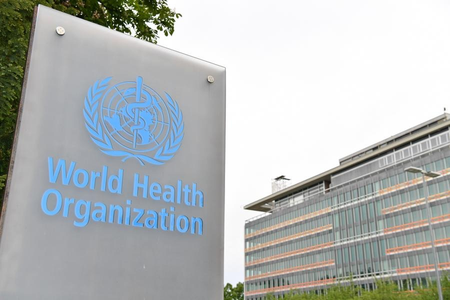
The World Health Organization Regional Office for Europe has appointed Denmark’s Centre for Health and Infectious Disease Research (CHIP) as a new WHO collaborating center. Located at Rigshospitalet and the University of Copenhagen, the center will assist WHO/Europe and member states in addressing HIV, viral hepatitis, tuberculosis (TB), and sexually transmitted infections (STIs). This collaboration aims to translate evidence into practice, enhance public health responses, and advance regional health goals.
Focusing on HIV, HIV/TB co-infection, and viral hepatitis, the center will also support efforts related to STIs. Over the next four years, it will help enhance health workforce capabilities, increase access to testing for HIV, viral hepatitis, and STIs, conduct implementation and operational research, and improve national biomedical prevention programs. WHO collaborating centers play a vital role in bolstering regional health security by expanding WHO’s technical expertise, offering specialized knowledge, and reinforcing institutional capacities across regions and countries.
HIV is a virus that targets CD4 cells, weakening the immune system. If left untreated, it can progress to AIDS, leading to severe infections. The virus spreads through unprotected sex, shared needles, or from mother to child during pregnancy or breastfeeding. While no cure currently exists, antiretroviral therapy (ART) enables individuals with HIV to lead long and healthy lives, often managing it as a chronic condition effectively.
Hepatitis refers to liver inflammation caused by various factors such as viral infections (A, B, C, D, E), alcohol, toxins, or autoimmune conditions. Symptoms may include jaundice, fatigue, abdominal pain, and dark urine, with some cases being asymptomatic. Treatment options range from antivirals for chronic infections (C is curable, B is manageable) to rest, with vaccinations available for hepatitis A and B.
Tuberculosis (TB) is a severe and potentially fatal airborne infection triggered by Mycobacterium tuberculosis, primarily affecting the lungs but capable of impacting any body part. Common symptoms comprise persistent coughing (sometimes with blood), chest pain, fever, fatigue, and night sweats. While TB is generally curable with prolonged antibiotic treatment, strict adherence to therapy is crucial to prevent the development of drug-resistant strains.
