


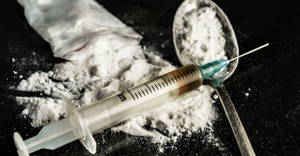
Drug abuse is a significant issue in Pakistan, impacting its socioeconomic framework and presenting a major challenge for the nation. Official estimates reveal that around 6.7 million individuals in Pakistan misuse controlled substances, with cannabis being the most prevalent drug and heroin addiction affecting hundreds of thousands. The use of cannabis, opioids, cocaine, and synthetic narcotics not only jeopardizes personal health but also threatens public safety and national stability.
Pakistan’s youth, constituting 64% of the population, are particularly vulnerable to drug abuse due to factors like peer pressure, family conflicts, academic stress, unemployment, and societal uncertainties. To address this issue, Pakistan needs to focus on building a resilient society, enhancing educational and employment opportunities for the youth, and improving coordination among various agencies to dismantle drug networks. Collaboration among law enforcement agencies like the Police, Anti-Narcotics Force (ANF), customs authorities, and community partners is crucial to combat drug abuse and illicit trafficking effectively.
Geographically, Pakistan, along with Afghanistan and Iran, faces challenges as a transit and consumption zone for opiates, especially heroin and opium from Afghanistan. The Golden Crescent region, including Pakistan, has become a significant hub for global narcotics production, with a substantial amount of Afghan opiates passing through Pakistan’s routes. In response to these challenges, Pakistan’s law enforcement, led by Regional Police Officer (RPO) Faisalabad, Sohail Akhtar Sukhera, has intensified efforts to combat drug-related crimes and networks.
The Control of Narcotic Substances Act (CNSA) of 1997 in Pakistan lays the legal foundation for prosecuting drug traffickers, with penalties including life imprisonment or the death penalty for trafficking large quantities of prohibited narcotics. However, addressing drug demand requires more than just harsh penalties; comprehensive prevention strategies, expanded rehabilitation services, and reducing the stigma associated with seeking treatment are essential. Apart from health implications, the drug trade also leads to social and economic consequences, eroding community trust, fueling crime and corruption, and diverting money into informal economies, thereby hindering legitimate growth.
