


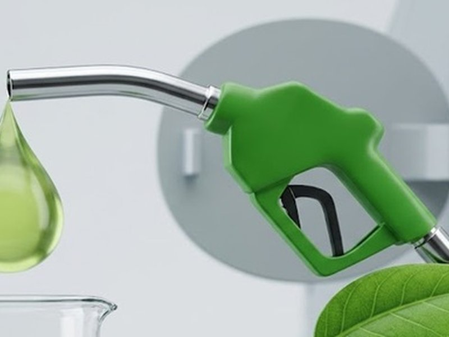
The E20 ethanol blending initiative, a meticulously planned effort, involves various key players such as oil marketing companies, ethanol producers, the automobile industry, research scientists, and automobile research associations. This coordinated approach ensures that technical, operational, and policy considerations are thoroughly addressed before implementation. Retired BPCL Director (Refineries) R. Ramachandran highlighted the significance of the multi-year process involving all stakeholders.
Ramachandran emphasized that E85 is not currently included in any formal government policy or implementation plan. The exploration of E85 as a potential future option is influenced by countries like Brazil, where E100, in combination with flex-fuel engine technology, has been successfully utilized. He clarified that the focus remains on the E20 ethanol blending initiative at present.
In addressing concerns about water usage in future industrial expansion, Ramachandran stressed the need for industries to prioritize water conservation alongside increased production. He suggested strategies such as achieving near-100% water recycling, maximizing the use of treated wastewater, and implementing technologies like reverse osmosis and demineralization plants for industrial-grade water production. Additionally, he recommended the adoption of alternative cooling systems to reduce reliance on water-intensive processes.
Regarding India’s energy security, Ramachandran highlighted the country’s resilience, attributing it to factors like the steady diversification of the crude oil import basket over the past few years. He mentioned that the Indian oil industry, in collaboration with the Ministry of Petroleum and Natural Gas, has expanded sourcing options to manage potential supply disruptions effectively. This strategic approach enables the country to address challenges, including those arising from geopolitical tensions in regions like the Strait of Hormuz, by accessing alternative crude suppliers.
