


The Economic Survey 2025-26 highlights the importance of creating economically dynamic, socially inclusive, environmentally sustainable, and institutionally capable cities in India. It suggests that future urban policies should focus on system performance by integrating various aspects like housing, mobility, sanitation, climate resilience, and finance to build liveable and climate-ready cities that promote inclusion and economic efficiency.
India’s urban landscape is more significant economically than official definitions indicate, with 63% urbanization in 2015, nearly double the rate reported in the 2011 Census. Cities in India serve as crucial economic infrastructure, fostering productivity, labor markets, and innovation through density and proximity, playing a central role in the country’s growth.
The Economic Survey underscores the need to leverage urbanization for the benefit of citizens both tangibly and intangibly. It positions cities as economic assets that require strategic investments and planning to align public policies, fiscal priorities, and development frameworks with India’s growth trajectory.
The survey predicts that by 2036, 40% of India’s population, totaling 600 million people, will reside in urban areas, contributing around 70% to the GDP. Recognizing cities as economic infrastructure is crucial for directing public policy and planning efforts towards sustainable development and economic growth.
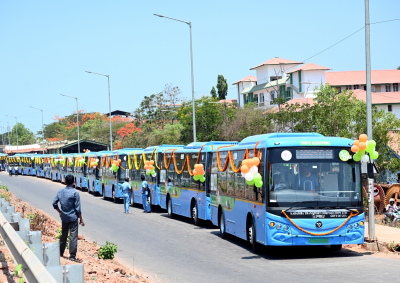
The government’s initiatives, such as the expansion of mass rapid transit systems, digitization of bus fleets, and deployment of e-buses, aim to enhance urban mobility and sustainability. With operational Metro/RRTS corridors in various cities and the PM e-Bus Sewa project, India is moving towards a more efficient and eco-friendly urban transportation system.
Investments under programs like Swachh Bharat Mission-Urban and Atal Mission for Rejuvenation and Urban Transformation have improved waste management in urban areas. By focusing on urban infrastructure development and sustainable practices, India aims to harness the economic potential of its cities for long-term growth and prosperity.
