


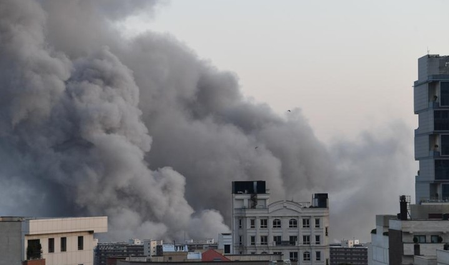
Economists have revised down the ASEAN-6 gross domestic product (GDP) growth forecast for 2026 to 4.5% from 4.8% and for 2027 to 4.7% from 4.8% as a result of the repercussions of the conflict in West Asia. The ASEAN-6 nations include Indonesia, Singapore, Thailand, Vietnam, the Philippines, and Malaysia.
Maybank Investment Bank highlighted that the reductions are more significant for the Philippines (-0.4 percentage points), Vietnam (-0.4 percentage points), and Thailand (-0.3 percentage points). The research house pointed out that escalating energy prices and disruptions in commodity supplies will have adverse effects on most ASEAN countries, particularly those that are net oil and gas importers.
According to Maybank, Malaysia stands out as the sole country in the region that acts as a net energy exporter, which is expected to mitigate the impact of the turmoil in the Middle East. The research also mentioned that a sharp increase in energy prices will negatively impact the current account balances and weaken the currencies of ASEAN’s net energy importers, as reported by Xinhua news agency.
Maybank has also raised the inflation forecast for ASEAN-6 to 2.7% in 2026 (from 2.2%) and 2.7% in 2027 (from 2.5%), with larger adjustments for Thailand (+0.8 percentage points in 2026), the Philippines (+0.5 percentage points), and Indonesia (+0.5 percentage points). The research further stated that the energy price shock has disrupted the monetary easing cycle and that higher energy prices and fuel subsidies will increase the fiscal burdens of Indonesia, Thailand, and Malaysia.
Countries globally are implementing drastic measures to conserve fuel and ensure continuous energy access for their citizens following the disruption in oil and gas supplies triggered by the escalation in the Middle East conflict. The impact of the ongoing disruptions in West Asia is likened to the combined effects of the two major oil crises in the 1970s and the 2022 natural gas crisis after Russia’s invasion of Ukraine, according to a senior official from the International Energy Agency (IEA). Various nations in Asia, Africa, and Europe are taking extraordinary steps such as additional public holidays, work-from-home mandates, fuel rationing, and industrial shutdowns to extend their limited fuel reserves.
