


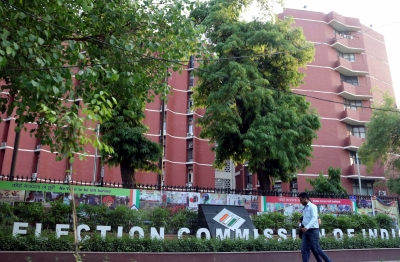
The Election Commission of India has mandated that political parties must obtain verification and certification from the Media Certification and Monitoring Committee (MCMC) before releasing any advertisements on electronic platforms, including social media. This directive, issued before crucial Assembly elections in four states and one union territory, aims to prevent the dissemination of misleading content, including falsified and AI-generated material. Political parties are instructed not to release any political ads on internet-based platforms without prior certification from the MCMC.
According to the Election Commission’s guidelines, political parties need to have their ads pre-certified by the MCMC, and candidates must disclose their authentic social media accounts. The Commission has directed all registered political parties and contesting candidates to seek pre-certification for all political ads on electronic media and social platforms before publishing them. State/UT-based political parties can apply for certification with the State Level MCMC within specified timelines.
Furthermore, an Appellate Committee, led by the CEO, has been established at the state level to handle appeals against decisions made by District/State MCMCs. These monitoring committees are tasked with closely monitoring suspected cases of paid news. Candidates are also required to declare their genuine social media accounts in their nomination affidavits.
As per the Representation of the People Act, 1951, and the Supreme Court’s directives, political parties must submit a statement of expenses incurred on internet campaigning, including social media, to the ECI within 75 days after the Assembly elections conclude. Notably, elections are scheduled for Assam, Kerala, Tamil Nadu, West Bengal, and Puducherry, with results expected on May 4.
