


On June 12, 1975, the Allahabad High Court invalidated Prime Minister Indira Gandhi’s election from the Rae Bareilly Parliamentary seat. Despite being allowed to continue as Prime Minister, she was stripped of her privileges and voting rights until her appeal was resolved. The next day, President Fakhruddin Ali Ahmed declared a state of Emergency citing internal threats.
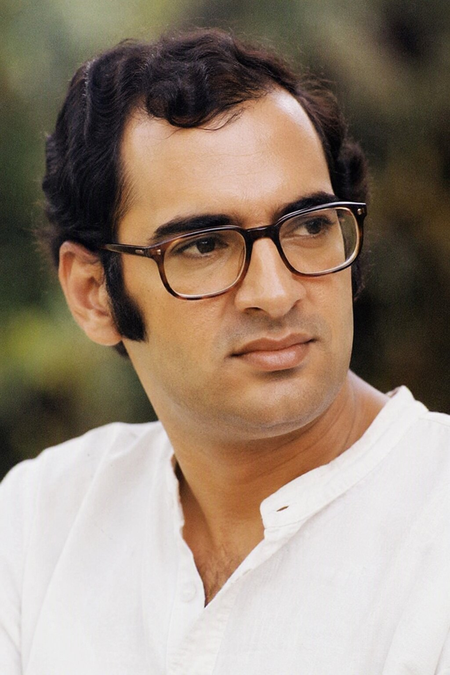
The Emergency marked India’s third such declaration, with the previous two during conflicts with China and Pakistan. Opposition leaders were arrested, and dissent was suppressed during this period. Sanjay Gandhi, Indira’s son, rose to power unofficially and implemented authoritarian policies like forced sterilizations and slum demolitions.
Sanjay Gandhi’s influence grew significantly, despite not holding any official position. He enforced controversial policies such as mass sterilizations and slum clearances under the guise of a “beautification program.” Human rights violations were rampant, with reports of coercion and forced sterilizations in villages like Uttawar.
The Emergency period also saw the demolition of slums and old city areas, notably at Delhi’s Turkman Gate, to satisfy Sanjay Gandhi’s aesthetic preferences. The Shah Commission of Inquiry was later set up by the Janata Party government to investigate the excesses of the Emergency. The commission highlighted abuses of power, censorship, and the misuse of institutions by the Gandhi family.
