


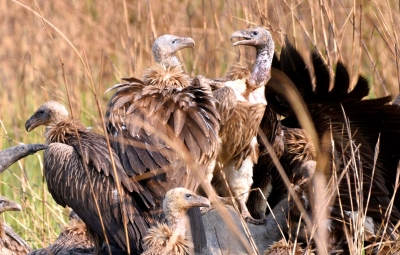
Six critically endangered white-rumped vultures were recently set free as part of a pilot initiative by the Assam State Forest Department at the Vulture Reintroduction Aviary in Rani Range, near Kamrup district. These vultures, along with four others rehabilitated by the BNHS vulture team, have been equipped with GPS/satellite transmitters for close monitoring. The release of a total of 10 vultures signifies a significant move towards reviving vulture populations that have been severely affected in Asia due to toxic veterinary drugs.
The release event is a crucial step in the conservation efforts aimed at restoring vulture populations, which have suffered a decline across Asia primarily due to the impact of toxic veterinary drugs. Assam, as indicated by recent findings, has shown relatively low levels of toxic veterinary drugs, although the presence of nimesulide had been on the rise. Notably, the Indian government has recently prohibited the use of nimesulide, aceclofenac, and ketoprofen, with the expectation that the environment will become safer once these bans are fully enforced.
Toxic veterinary painkillers used in cattle have been identified as a major threat to vulture populations. The Assam Forest Department, in collaboration with BNHS, has been actively collecting samples of cattle carcasses to ensure the absence of toxic drugs. Studies have revealed that even a small percentage of cattle carcasses containing lethal levels of diclofenac can lead to significant vulture declines, as witnessed in India from the mid-1990s to the early 2000s.
The six captive-bred vultures that were released had originated from the nearby Rani Vulture Conservation Breeding Centre, managed by BNHS in partnership with the Royal Society for the Protection of Birds (RSPB) and the Assam Forest Department. Dr. Sachin Ranade, the BNHS center manager, emphasized the continuous monitoring of the birds’ movements with prompt intervention if necessary. Chief Wildlife Warden Vinay Gupta highlighted Assam’s progress in eliminating hazardous veterinary drugs, moving closer to creating a safe habitat for vultures.
SAVE Chair Jemima Parry-Jones expressed optimism about the region’s journey towards establishing a genuine “Vulture Safe Zone,” attributing this progress to reduced veterinary use of toxic painkillers and strong support from RSPB. BNHS Director Kishor Rithe stressed the importance of raising awareness among veterinarians and farmers regarding safe alternatives like meloxicam and tolfenamic acid. Chris Bowden from RSPB, reflecting on the release, acknowledged the efforts to address drug-related threats and accidental poisoning, underscoring the significance of maintaining captive populations for future releases.
