


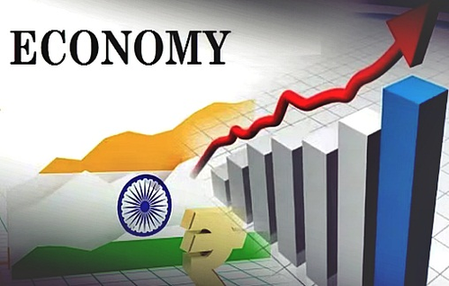
Europe and Canada are increasingly turning towards India for strategic partnerships amidst a challenging global landscape shaped by the United States, China, and Russia, as per an article in ‘The National Interest’. Dr. Jianli Yang’s analysis underscores Europe’s pursuit of India as a strategic alternative due to concerns over China and American volatility. This shift signifies a move towards a more diversified global economy with India emerging as a significant player.
Canada, mirroring Europe’s approach, is cautiously engaging with China to mitigate risks associated with unilateral shocks from the USA while maintaining a delicate balance between Washington and Beijing. Despite past tensions, Canada is likely to follow Europe’s lead in viewing India as a pragmatic hedge against uncertainties in the international arena.
The recent trade agreement between Europe and India, coupled with a framework deal between the United States and India, indicates a growing trend towards deeper collaborations. With Canada potentially aligning in a similar direction, India is positioned as a pivotal link bridging commercial, strategic, and political interests across the Atlantic.
India’s expanding manufacturing sector, coupled with its attractiveness for investment previously stationed in China, is reshaping global supply chains. Notably, the country’s role in producing a significant portion of iPhones for the US market symbolizes a broader realignment. India’s blend of cost-effective labor, improving legal infrastructure, technological advancements, and a vast domestic market enhances its appeal on the global stage.
India’s democratic framework distinguishes it from China, offering a common political language with Europe and North America. This shared foundation, encompassing democratic institutions and a youthful, English-speaking workforce, aligns India more closely with transatlantic interests. Despite challenges such as protectionist tendencies and bureaucratic hurdles, India’s adaptability and strategic autonomy position it as a crucial connector in an increasingly fractured global order.
