


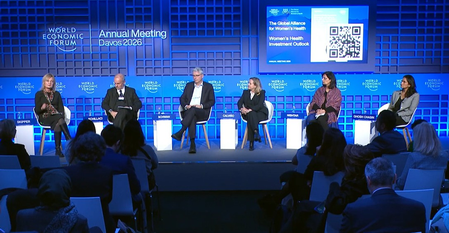
Improving accessibility, affordability, and tailoring treatment and diagnostics to women’s needs are crucial steps to narrowing the health gap for women by 2030, according to experts at the ongoing World Economic Forum 2026 in Davos. Women, on average, spend 25% more of their lives in poor health compared to men, often due to delayed diagnoses and limited access to suitable care. The experts emphasized the necessity for increased investment in sex-specific research and innovation for women to prevent avoidable mortality, morbidity, and economic losses, estimated at $1 trillion globally.
At a session titled “Breakthroughs in women’s health,” the panel stressed the importance of focusing on the human aspect of implementing healthcare solutions. Gargee Ghosh Chasin, President of Global Policy and Advocacy at Gates Foundation, highlighted the significance of making innovations accessible, affordable, and widely used by women worldwide. She emphasized that beyond invention, ensuring access and utilization are equally critical in transforming products into impactful solutions.
Sania Nishtar, CEO of Gavi-The Vaccine Alliance, emphasized the need to translate scientific evidence into effective policies, followed by practical implementation and scalable delivery. She underscored the importance of matching innovation with delivery capabilities and sustainable financing to maximize the intended impact of healthcare innovations. Nadia Calviño, President of the European Investment Bank, emphasized the crucial role of primary healthcare and the equitable distribution of preventive treatments for women worldwide.
Orazio Schillaci, the Minister of Health of Italy, called for an increase in sex-specific clinical trials and personalized treatment approaches for women. He also highlighted the potential of artificial intelligence in revolutionizing the healthcare sector, particularly in enhancing personalized healthcare solutions for women.
