


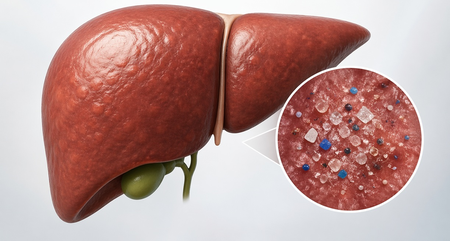
There is evidence that exposure to micro and nanoplastics can lead to oxidative stress, fibrogenesis, and inflammation in animals, resembling advanced liver disease in humans. The liver, a crucial defense mechanism in the body, may be compromised by these particles, potentially allowing harmful substances into the human system. Liver disease, responsible for 1 in 25 global deaths, is on the rise, with environmental factors like micro- and nanoplastics being considered as contributors.
Lead author Shilpa Chokshi, an expert in Experimental Hepatology, highlighted the concern that plastics, known to harm animal livers, could pose a similar threat to humans. The accumulation of plastics in human tissues and their association with various medical conditions raise significant questions about the potential risks. Researchers emphasized the urgent need to address the challenges hindering the investigation of plastic-induced liver injury.
Professor Richard Thompson emphasized the global impact of plastic pollution on environmental and human health. The study underscores the critical importance of understanding the implications of plastic exposure on liver health, urging further in-depth research to unveil the extent of potential harm.
