


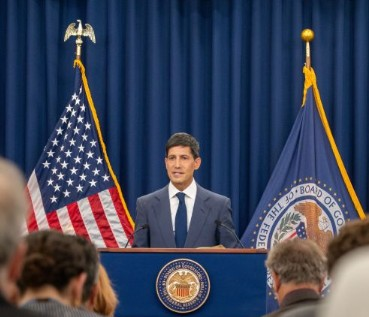
Federal Reserve Chairman Kevin Warsh expressed optimism about the significant surge in business investment driven by artificial intelligence (AI) in the United States. Speaking before the Senate Banking Committee, Warsh emphasized that AI presents a long-term economic opportunity rather than a cause for labor market concerns. He highlighted the transformative potential of AI on the economy, predicting job creation, enhanced productivity, and economic growth despite short-term disruptions.
Warsh underscored the substantial increase in business investment, particularly in AI infrastructure and related equipment, as a prominent feature of the US economy. He noted the rapid growth in high-tech investment, emphasizing that what is currently termed as AI investment will soon become a standard part of overall investment. While acknowledging the potential for disruption, Warsh dismissed fears of permanent job losses due to AI, foreseeing improved productivity, real wages, and full employment in the long run.
During the hearing, Warsh addressed concerns about AI’s impact on jobs, asserting that AI is more likely to create jobs in the long term rather than eliminate them catastrophically. He emphasized that while AI may cause disruptions, it is ultimately a job creator. Warsh clarified the role of the panel as advisors and not policymakers, highlighting the Federal Open Market Committee’s responsibility in determining monetary policy based on the task force’s recommendations.
Warsh emphasized the United States’ competitive position in the global AI landscape, stating that the country is well-equipped to lead and derive maximum productivity benefits from AI technologies. He revealed that the Federal Reserve had established internal task forces to study AI’s effects on productivity, employment, and inflation, with early findings expected to reach policymakers by September. The increasing investments in AI by technology companies have become a significant driver of US economic growth, raising important questions about electricity demand, labor markets, and inflation.
