


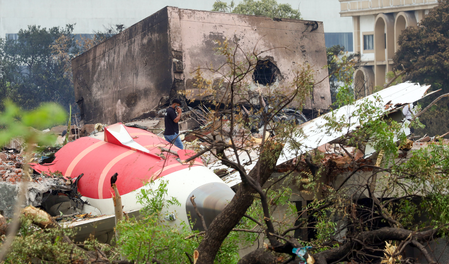
The Federation of Indian Pilots (FIP) has disputed the official explanation for the Air India Flight AI 171 crash on June 12, 2025, shortly after departing from Ahmedabad airport. FIP President Captain C.S. Randhawa revealed that new simulator data suggests a significant systemic electrical failure as the cause, contradicting claims of pilot suicide. Randhawa criticized investigators for allegedly overlooking crucial technical evidence and sidelining India’s top aviation experts to support a predetermined conclusion.
The official interim report attributed the crash to the flight crew intentionally cutting off fuel to the engines in a coordinated suicide act. This action, according to government investigators, led to the aircraft’s backup power system dropping just four seconds later. However, FIP’s simulator tests, replicating the flight conditions, indicated an 18-second delay for the backup turbine to drop under manual fuel cut-off, challenging the official timeline.
FIP argues that a rapid deployment of the backup turbine was due to a severe electrical malfunction that disabled the aircraft before engine shutdown. The federation asserts that this systemic failure triggered the engine switches, resulting in the plane’s downfall. Additionally, FIP highlighted that the sole survivor reported observing cabin lights flickering and dimming before the fatal descent, supporting the theory of a sudden power failure.
The pilots’ federation also mentioned the aircraft’s history of unresolved electrical issues before the crash. They accused government investigators of sidelining Captain R.S. Sandhu, a prominent Boeing 787 expert, from the investigative process to uphold the pilot suicide theory. FIP has submitted its simulator data to Boeing and aviation authorities, urging a pause in the final accident report release until discrepancies in turbine deployment are thoroughly examined. They demand Captain Sandhu’s reinstatement for an impartial review of the data.
