


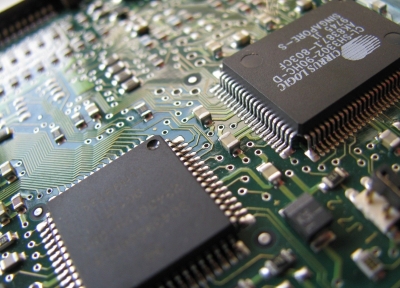
Finance Minister Nirmala Sitharaman announced the launch of India Semiconductor Mission (ISM) 2.0 to bolster ‘Make in India’ and domestic manufacturing. This initiative aims to enhance local production and innovation by increasing the outlay for electronics component manufacturing to Rs 40,000 crore. ISM 2.0 will focus on producing equipment, developing Indian intellectual property, and fortifying supply chains.
The government plans to establish industry-led research and training centers to nurture technology and a skilled workforce. Notably, the Electronics Components Manufacturing Scheme, initiated in April 2025 with Rs 22,999 crore, has already attracted investments exceeding the set targets. Additionally, the Union Budget 2026-27 proposes a dedicated Rs 10,000 crore SME growth fund to stimulate job creation based on specific criteria.
In a bid to support the labor-intensive textile sector, the Finance Minister introduced an integrated program with five key components. These include the National Fibre Scheme, aimed at achieving self-sufficiency in various fibers, the Textile Expansion and Employment Scheme to modernize traditional clusters, and the National Handloom and Handicraft Programme to empower weavers and artisans. Moreover, a scheme for rare-earth permanent magnets, launched in November 2025, will now extend support to mineral-rich states like Odisha, Kerala, Andhra Pradesh, and Tamil Nadu to establish dedicated rare earth corridors.
