


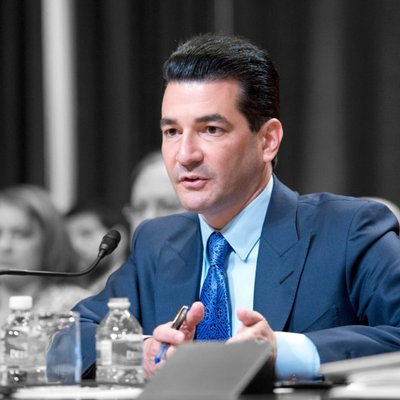
Former US Food and Drug Administration commissioner Dr. Scott Gottlieb expressed concern over the rising measles outbreak in the United States, attributing it to decreasing vaccination rates and a growing anti-vaccine sentiment globally. Gottlieb predicted a worsening situation before improvement, noting a significant increase in measles cases this year compared to last year.
The United States has already reported around 750 measles cases this year, a number expected to rise by the end of the year. Gottlieb highlighted a shift in infections towards older children aged five to 17, indicating a decline in vaccination rates among toddlers. He emphasized that as unvaccinated toddlers enter school, measles outbreaks are likely to escalate.
Drawing parallels to past declines in immunization, Gottlieb recalled the surge in measles cases in the early 1990s due to vaccination coverage drops. While national vaccination rates for measles, mumps, and rubella stand at about 90 percent, some states with outbreaks have rates as low as 81 percent. The issue is not limited to the US, with several countries losing their measles elimination status.
Gottlieb linked the global anti-vaccine movement to the Covid-19 pandemic, suggesting that vaccine skepticism has been fueled by state actions during the pandemic. He warned that the influence of vaccine opponents has grown politically, impacting policy agendas. Beyond measles, Gottlieb highlighted the risks posed by declining vaccination rates for diseases like diphtheria, tetanus, and pertussis.
Measles, known for its high transmissibility, requires a community vaccination rate of about 95 percent for herd immunity. However, some US communities have vaccination rates as low as 70 percent, making outbreaks almost inevitable. Gottlieb emphasized the long-term risks of childhood infections, citing potential links to conditions like cancer and multiple sclerosis.
