


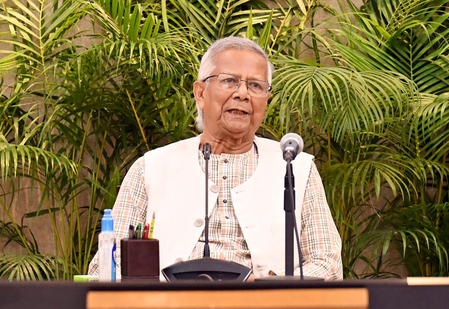
The 18-month tenure of the former interim government in Bangladesh, led by Muhammad Yunus, has sparked controversy due to allegations of pursuing a politics of vengeance. Critics have raised concerns about widespread arrests and prolonged detention of various individuals, including lawyers, politicians, journalists, academics, and political activists. The absence of publicly available records detailing the number of arrests, formal charges, and prosecutions during that period has also been questioned.
One of the key promises of the interim government was to reform state institutions comprehensively. However, critics claim that governance was increasingly influenced by unelected civil society figures, some of whom reportedly held foreign citizenships. This led to concerns about a lack of democratic accountability and the influence of an influential ‘kitchen cabinet’ with vested interests.
Critics have also accused the interim administration of politicizing state institutions, enabling groups like Jamaat-e-Islami and the National Citizen Party (NCP) to expand their influence. Instead of enhancing governance, the period was characterized by patronage, self-aggrandizement, and corruption, according to critics. Transparency International Bangladesh reported a deterioration in corruption indicators during this time, raising further concerns about accountability.
During the interim regime, the signing of the US-Bangladesh Agreement on Reciprocal Trade has been a topic of debate. While some see it as a positive step towards strengthening economic ties, critics argue that it primarily serves American strategic and commercial interests, potentially compromising Bangladesh’s long-term economic sovereignty. Law and order issues, including mob violence and the rise of certain groups, were visible sources of public discontent during this period.
The interim government’s failure to address these issues decisively led to a normalization of extra-legal actions and a decline in public trust in law enforcement. Concerns also arose over the shrinking space for intellectual and cultural expression, with artists, academics, writers, and cultural organizations feeling marginalized or hesitant to voice dissent. Critics argue that instead of promoting pluralism, the administration resorted to labeling political opponents as ‘fascist’ to stifle criticism.
