


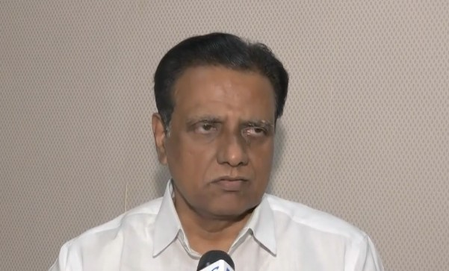
Former Prime Minister P.V. Narasimha Rao’s grandson and senior BJP leader N.V. Subhash criticized the Congress for neglecting Narasimha Rao’s contributions and unfairly attributing negative issues to his tenure. Subhash accused the Gandhi family of dominating the party and sidelining leaders like Mallikarjun Kharge.
Subhash emphasized Narasimha Rao’s pivotal role in stabilizing the Congress after Rajiv Gandhi’s assassination in 1991. He pointed out that positive aspects of Rao’s governance were overshadowed by the Gandhi family, while negative events were linked to his regime. Subhash highlighted Rao’s inclusive leadership style, praised by former PMs Vajpayee and Modi.
Regarding the contrast between the Congress under Narasimha Rao and the current scenario, Subhash noted a structured decision-making process during Rao’s era. He highlighted the absence of a similar system in today’s Congress, criticizing Rahul Gandhi’s leadership style and the lack of senior advisors. Subhash expressed concerns over the party’s dependency on the Gandhi family for leadership positions.
When questioned about the influence of the Gandhi family during Narasimha Rao’s tenure, Subhash clarified that Rao always acknowledged their contributions. However, he criticized Sonia Gandhi for not recognizing Rao’s efforts and sacrifices. Subhash highlighted the central role played by Sonia Gandhi in the party’s decision-making process.
Subhash raised concerns about the Congress neglecting the interests of marginalized communities like SCs, STs, and OBCs. He accused the Gandhi family of prioritizing certain minority groups over empowering Dalits and backward classes. Subhash criticized the party for not promoting leaders from marginalized communities to key positions.
On the prospect of Rahul Gandhi becoming Prime Minister, Subhash expressed skepticism, citing Rahul’s past opportunities and leadership choices. He questioned Rahul’s commitment and capability, emphasizing the need for competent leadership over familial ties. Subhash highlighted the changing political landscape and the diminishing influence of family-centric politics.
