


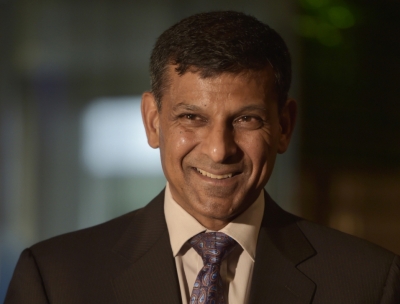
Federal Reserve Chairman Kevin Warsh has brought in former Reserve Bank of India Governor Raghuram Rajan to aid in evaluating the US central bank’s balance sheet as part of a significant reform initiative to reshape monetary policymaking post years of high inflation. During Warsh’s recent semiannual monetary policy hearing before Congress, Senate Banking Committee Chairman Tim Scott commended the appointment, highlighting Rajan’s involvement as a move towards fostering diverse perspectives rather than uniformity within the Federal Reserve. Scott expressed approval of the newly formed working groups at the Federal Reserve, particularly emphasizing the balance sheet task force’s composition.
Warsh, without specifying Rajan’s exact role, defended the establishment of five independent task forces, emphasizing their purpose of infusing fresh perspectives into the Federal Reserve following a period of inflation surpassing the central bank’s target for over five years. The groups are set to scrutinize five key areas of the Fed’s operations: communications, balance sheet policy, economic data utilization, productivity and employment, and the inflation framework. Warsh stressed the objective of making more informed decisions in monetary policy execution to move past the years of elevated inflation.
Scott lauded the cautious approach to unwinding the Federal Reserve’s balance sheet and the inclusion of economists with differing viewpoints, emphasizing the need for a methodical process to prevent market instability and volatility. Warsh, responding to queries during the hearing, assured that the balance sheet review was not merely symbolic and advocated for a minimally sized balance sheet for operational purposes, with openness to necessary changes while ensuring market stability through gradual adjustments. The task forces have been allotted six months to conclude their assessments, with initial findings anticipated by September and final recommendations by year-end, with the ultimate policy decisions resting with the Federal Open Market Committee.
Rajan, renowned for his expertise in financial stability and monetary policy, served as Governor of the Reserve Bank of India from 2013 to 2016 and previously held significant roles at the International Monetary Fund. His involvement in the Federal Reserve’s balance sheet review aligns with the central bank’s reassessment of its monetary policy framework post the pandemic-induced expansion of its nearly $9 trillion balance sheet and subsequent efforts to reduce it while steering inflation towards its long-term target.
