


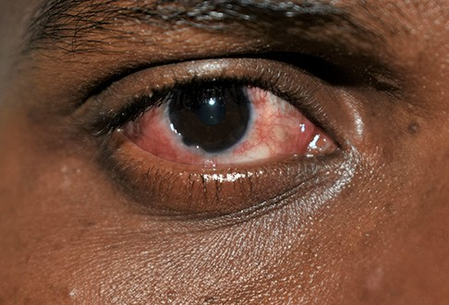
Chennai is currently experiencing a rise in conjunctivitis cases, with hospitals in the city observing a steady increase in patients seeking treatment for this highly contagious eye infection.
Doctors have noted that outpatient departments are registering around 8 to 10 new cases daily, sparking concerns about the rapid spread of the infection in densely populated areas and workplaces.
The spike in cases is attributed to seasonal changes, especially the shift from monsoon weather to summer. Both government and private hospitals have seen a notable uptick in cases recently, affecting both children and working adults.
Medical experts highlight symptoms like redness, irritation, watery discharge, itching, and sensitivity to light in patients. While conjunctivitis is usually mild and self-limiting, doctors warn that delayed treatment can prolong recovery and heighten the risk of transmission within households and communities.
According to ophthalmologists, the infection primarily spreads through direct or indirect contact. Sharing personal items like towels, handkerchiefs, pillows, or cosmetics significantly raises the infection risk. Frequent eye touching or rubbing also contributes to its transmission.
“Due to the seasonal transition, we are witnessing a clear increase in conjunctivitis cases. Early diagnosis and strict hygiene practices are crucial to prevent its spread within families and workplaces,” stated Ophthalmologist Dr. Rajani Arun.
Health experts stress the importance of maintaining strict hygiene to control the outbreak. Regular handwashing, avoiding eye contact, and refraining from sharing personal items are key preventive measures recommended. Infected individuals are advised to limit close contact until symptoms subside.
Doctors clarify a common misconception that conjunctivitis spreads through visual exposure. They emphasize that transmission occurs only through contact, not by looking at an infected person. Wearing sunglasses can help reduce discomfort from light sensitivity but is not a preventive measure.
It is recommended that individuals seek consultation within one or two days of noticing symptoms, as proper diagnosis by an ophthalmologist is essential due to various causes of eye redness. Early intervention ensures quicker recovery and helps prevent complications, with most patients recovering within a week. However, vigilance is advised, especially among parents and office-goers, as the seasonal surge continues.
