


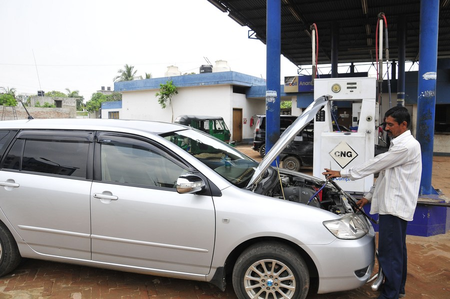
As fuel prices rise in Bangladesh, long queues at petrol stations due to panic buying continue, causing significant disruptions to daily life. Despite authorities’ assurances of a stable fuel supply, the situation persists. The government’s recent price hike announcement, citing global oil market trends, has led to increased diesel, octane, petrol, and kerosene prices.
Reports indicate that various groups, including private car owners, public transport operators, and small business owners, are experiencing extended wait times for refueling. This has resulted in substantial losses in working hours and earnings for many individuals. Abdul Karim, a ride-sharing driver, mentioned a significant drop in his daily income due to the prolonged delays at petrol pumps.
Expressing frustration over the situation, school teacher Shahana Begum highlighted the challenges of managing daily commutes amidst long queues for fuel. She described the stress of uncertain waiting times and its impact on planning daily activities. A senior official from the Bangladesh Petroleum Corporation acknowledged the pressure on operations due to short-term distribution adjustments and a surge in demand.
Addressing the issue, Power, Energy and Mineral Resources Minister Iqbal Hassan Mahmood Tuku referred to the situation as “wartime,” emphasizing the need to balance global market dynamics. The decision to raise fuel prices has faced criticism, with some labeling it a breach of trust. While authorities deny a nationwide fuel shortage, the persistent queues underscore distribution system challenges and declining public confidence.
Experts caution that without enhanced logistics, effective communication, and long-term energy planning, similar scenarios may recur, particularly amid global market uncertainties.
