


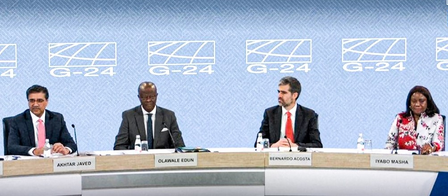
The G-24, a group of developing countries, has cautioned about a significant decline in global economic conditions. They highlighted conflicts, supply chain disruptions, and financial strains impacting emerging economies. The ongoing war in the Middle East is particularly noted for its adverse effects on the global economy, leading to increased inflation and supply chain challenges.
The group emphasized the importance of safeguarding maritime routes and halting attacks on energy infrastructure to prevent costly damages. Concerns about oil market stability persist, with disruptions posing risks to global supply chains. Additionally, the G-24 expressed uncertainties regarding the medium-term economic outlook, citing potential impacts on oil-importing nations and borrowing costs.
Addressing financial safety, the G-24 called for strengthening the role of the International Monetary Fund (IMF) and completing quota reforms to enhance representation for developing economies. They stressed the need for a robust global financial safety net to address evolving risks effectively. Furthermore, the group advocated for increased job creation, infrastructure investment, and financing for vulnerable countries through the World Bank Group.
Debt vulnerabilities were also highlighted, with the G-24 urging coordinated sovereign debt restructuring and enhanced transparency in debt management. Climate financing and multilateral cooperation were identified as critical priorities, emphasizing the importance of developed countries honoring climate finance commitments. The group also warned against protectionist trade measures, emphasizing the necessity of a rules-based multilateral trading system for global growth support.
