


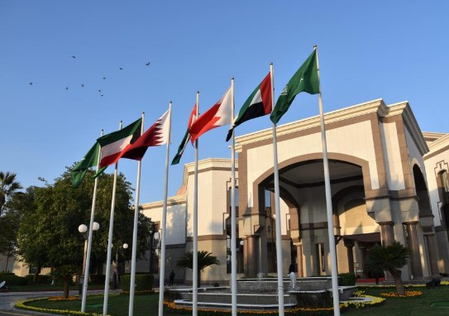
Gulf Cooperation Council (GCC) Secretary General Jasem Mohamed Albudaiwi stated that GCC states have opposed Iran’s attempts to close the Strait of Hormuz and disrupt maritime traffic. This declaration came during the 19th Consultative Meeting of GCC leaders in Jeddah, Saudi Arabia. The leaders also disapproved of any actions that could impede navigation in the strait, such as levying fees on passing ships.
Albudaiwi highlighted the leaders’ focus on restoring security and free movement in the strait to pre-February 28 conditions. Moreover, the GCC leaders instructed the GCC General Secretariat to hasten the completion of joint projects, including transportation services and the GCC railway project. They also emphasized the importance of advancing initiatives like an oil and gas pipeline project and a water interconnection project.
Additionally, the leaders underscored the necessity of enhancing military cooperation among member states and fast-tracking the establishment of a ballistic missile early warning system. The meeting addressed the current regional situation, particularly the regional tensions and Iranian assaults on GCC nations and Jordan. The leaders stressed the significance of pursuing diplomatic solutions to resolve the crisis and foster agreements that address the concerns of GCC states while promoting long-term security and stability.
Following joint Israeli and U.S. attacks on Tehran and other Iranian cities on February 28, which resulted in casualties including Iran’s Supreme Leader Ali Khamenei, Iran retaliated with missile and drone strikes on Israel and U.S. interests in the Middle East. Subsequently, Iran tightened control over the Strait of Hormuz. Despite a ceasefire on April 8, negotiations between Iranian and U.S. delegations in Islamabad did not lead to an agreement, leading the U.S. to impose its own blockade on the waterway.
