


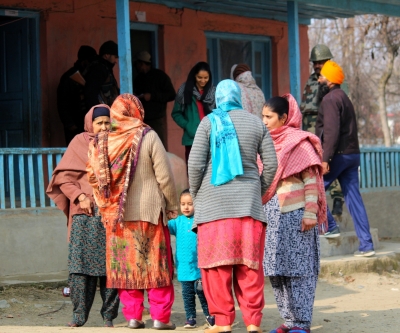
Discrimination against women in property ownership and rights was evident in Jammu and Kashmir before Article 370 was revoked. Women lost property rights upon marrying outside the state, affecting their status as citizens. Post abrogation, women now have equal property rights regardless of their spouse’s origin.
The abrogation of Article 370 enabled the implementation of laws protecting women’s rights in Jammu and Kashmir. Central laws like the Prohibition of Child Marriage Act and the Protection of Women from Domestic Violence Act are now fully applicable in the region. Women can access the National Commission for Women for grievances, and dedicated women’s police stations have been set up.
The revocation of Article 370 also led to significant changes in governance and representation for women in Jammu and Kashmir. Women now have increased participation in local governance through schemes like the Tejaswini Scheme. Female representation in elections has seen a notable rise, with more women securing seats in various leadership roles.
The empowerment of women in Jammu and Kashmir extends beyond governance to economic opportunities. Initiatives like the PM MUDRA Yojana have provided financial support to women entrepreneurs. Women-led startups have flourished under the Jammu and Kashmir Startup Policy, contributing to sectors like eco-tourism and digital services.
