


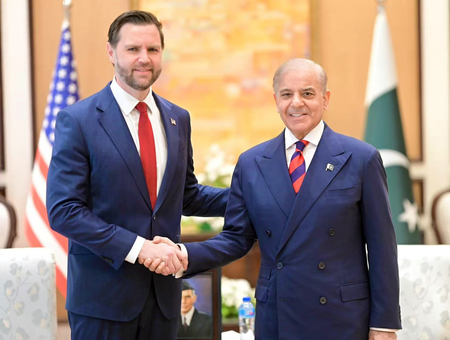
The ongoing crisis in West Asia has sparked a wider geopolitical discussion regarding Pakistan’s involvement in the region. External Affairs Minister S. Jaishankar’s comments labeling Pakistan as a “broker” in the crisis have stirred reactions and renewed scrutiny of Islamabad’s diplomatic stance. Experts note that Pakistan has historically positioned itself as a mediator in regional conflicts, including the current tensions in West Asia.
Pakistan’s efforts to portray itself as a neutral mediator are seen by some as a strategic move to secure advantages amidst economic vulnerabilities. By balancing relationships with the US, China, and key Gulf nations, Pakistan has maintained relevance across various geopolitical arenas. However, this multi-alignment strategy has led to perceptions of inconsistency in its foreign policy approach.
In the current crisis, Pakistan has reportedly offered to facilitate dialogue between the US and Iran, positioning itself as a communication channel. While these actions are framed as mediation attempts, some observers interpret them as a means to preserve influence without aligning with a specific side. Reports on oil shipments and maritime activities in the Strait of Hormuz have further fueled controversy, suggesting conflicting interests at play simultaneously.
Analysts highlight a discrepancy between Pakistan’s public statements and diplomatic engagements. Despite condemning actions by Israel and expressing solidarity with Iran, Pakistan continues to engage with Western powers, creating a perception of mixed messaging. This pattern, rooted in Pakistan’s historical role as a strategic intermediary, poses credibility risks, especially in volatile regions like West Asia.
The debate surrounding Pakistan’s role underscores broader concerns about the sustainability of its foreign policy model. As geopolitical dynamics in West Asia evolve, experts argue that maintaining ambiguity may become increasingly challenging, necessitating clearer strategic decisions. Pakistan’s nuclear capabilities and its strategic significance amidst major regional powers contribute to its weight, raising questions about the long-term viability of its balancing strategy.
