


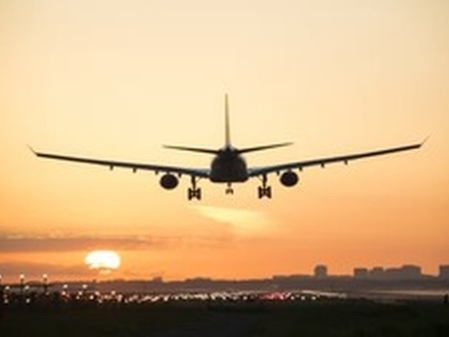
The global aviation industry faces challenges as military tensions involving the United States, Israel, and Iran have led to widespread airspace closures in West Asia. This situation has disrupted flight operations worldwide, with airlines being forced to cancel or reroute flights due to emergency safety restrictions on key air corridors. More than 700 flights have been canceled globally, and many others have been diverted to longer routes to avoid conflict zones.
Large parts of West Asia, a crucial transit region for international aviation, are either closed to civilian aircraft or operating under strict navigation controls. This has severely limited normal flight movement, affecting airspace over countries like Iran and Israel. Major aviation hubs in the Gulf region, such as Dubai, Abu Dhabi, and Doha, have also restricted traffic, causing delays that are impacting airline networks globally.
Flights connecting Asia, Europe, and North America are significantly affected, as these routes rely on smooth passage through the Middle East. Indian airlines, heavily reliant on Gulf transit routes, are among the most impacted. IndiGo, for instance, has canceled over 350 flights in a three-day period, accounting for a significant portion of its daily operations.
The disruption has not only affected Indian carriers but has also put pressure on major international airlines. Gulf carriers like Emirates and European operators such as Lufthansa have had to cancel or divert flights. To navigate around restricted zones, aircraft are taking longer alternative routes, leading to increased flight durations, fuel usage, and operating costs for airlines.
