


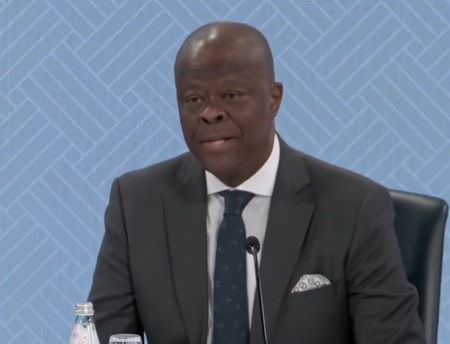
Global conflicts and supply chain disruptions are causing economic strain in developing countries, according to the Intergovernmental Group of Twenty-Four (G-24). Recent gains in inflation and growth are now at risk, as stated by G-24 Chair Olawale Edun during a press briefing at the Spring Meetings. He highlighted that political crises and conflicts globally are significantly impacting populations and straining the fragile global economy, especially affecting developing nations.
The disruptions in supply chains, particularly in energy markets, are exacerbating the situation. Edun mentioned that oil-importing countries are experiencing increased current account pressures, while inflation may impact various sectors, potentially undermining recent progress.
Rising interest rates and exchange rate volatility are leading to higher borrowing costs, increasing debt risks in emerging markets and developing economies. Edun emphasized the importance of stronger multilateral support, stating that multilateral assistance is crucial for vulnerable countries.
Central banks are facing challenging policy decisions, with Akhtar Javed, First Vice-Chair, highlighting the difficulty in striking a balance. He stressed the need for prudent behavior and finding a balance in decision-making.
Iyabo Masha, Director of the G-24 Secretariat, pointed out that current inflation pressures are mainly supply-driven and may not respond well to monetary policy measures like interest rate hikes. She advocated for a cautious, data-driven approach, urging a “wait and see” strategy.
Edun cautioned about risks on both sides of the spectrum, warning that raising rates too early and too high could have damaging effects, while delaying action could lead to increased inflation. The G-24 recommended targeted support through fiscal policies, focusing on providing temporary relief to the most vulnerable populations rather than broad subsidies.
The group also stressed the impact of the energy shock on both oil importers and exporters. Edun highlighted the need for additional support from global institutions to provide liquidity and risk management tools to reduce financing costs.
Masha mentioned ongoing reforms but noted a persistent gap, especially concerning debt management and lowering borrowing costs. Edun raised concerns about the weakening global trade system, citing fragmentation, bilateralism, and supply chain breakdowns that are pushing developing countries towards domestic production and regional markets.
He also highlighted risks associated with new technologies, such as artificial intelligence, which could initially exacerbate inequality before potentially bridging the gap. The warning comes amidst ongoing geopolitical tensions that are disrupting global markets, particularly affecting countries like India, a significant oil importer facing challenges from higher energy prices.
Developing nations are seeking lower borrowing costs, enhanced financial safety nets, and reforms to align with their expanding role in the global economy, despite the expanded support tools provided by the IMF and World Bank in recent years.
