


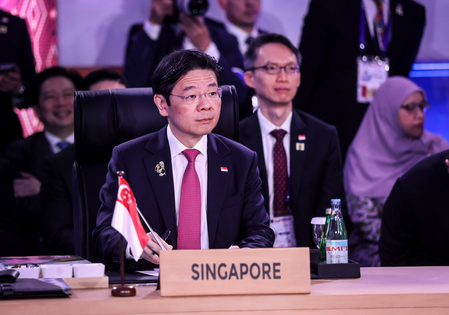
Leaders worldwide are expressing concerns about the ongoing energy shortage resulting from the Iran conflict and its broader economic repercussions. Singapore’s Prime Minister Lawrence Wong cautioned that the crisis in West Asia is expected to persist, leading to deepening economic challenges. The closure of the Strait of Hormuz for over two months has not only driven up prices but also disrupted supply chains, particularly impacting Asia due to its heavy reliance on Gulf resources.
Wong highlighted the current fuel shortages in some regional countries, with airlines reducing flights and factories experiencing delays. He emphasized that the disruptions extend beyond energy to essential supplies like fertilizers and food, indicating that more shortages are likely to arise. Even upon the reopening of the Strait, the recovery process will be gradual as damaged infrastructure needs repair and security measures must be reinstated.
The Singaporean PM stressed the need to rebuild confidence for safe passage through the Strait, emphasizing that the restoration of normalcy will take time. He warned that the crisis is far from over, anticipating prolonged supply disruptions and potential exacerbation in the coming months. Wong also predicted a global rise in inflation, starting from energy prices and spreading to food and other necessities, potentially pushing some economies into recession.
Reflecting on historical oil shocks, Wong drew parallels to the 1970s stagflation period characterized by a combination of economic stagnation and inflation. He cautioned that the resurgence of stagflation risks poses significant challenges for businesses and workers globally. Citing the International Energy Agency’s warning of a potentially severe crisis, Wong urged people to brace themselves for a challenging period ahead.
