


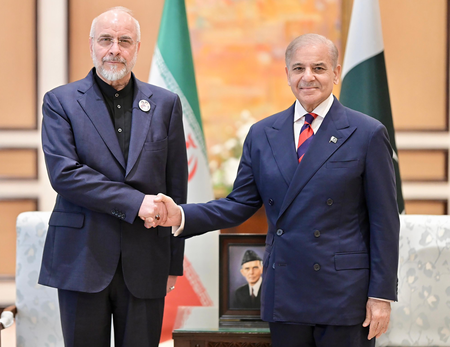
Pakistan’s inability to host the US-Iran talks’ second round indicates deeper issues beyond logistics. The Iranian Foreign Minister’s early departure, followed by the US envoys’ visit suspension, suggests a breakdown rooted in mistrust rather than mere delays. A report highlighted concerns over Pakistan’s credibility as a neutral mediator, emphasizing the need for consistency, discretion, and neutrality in diplomatic efforts.
The report noted that Pakistan’s efforts to mediate between the US and Iran have exposed weaknesses in its diplomatic standing. General Asim Munir’s visit to seek Omani support underscores Islamabad’s struggle to maintain trust among key players. Iran’s growing doubts about Pakistan’s neutrality have led to a preference for Oman as a more reliable venue for future engagements.
Iran has expressed concerns about Islamabad potentially sharing inconsistent or confidential information with the US, eroding the trust essential for effective mediation. The report highlighted Iran’s suspicions that Pakistan’s involvement may serve US interests in recalibrating its regional military stance. Oman’s history of strategic neutrality and balanced relations with both Washington and Tehran contrasts with Pakistan’s perceived strategic dependencies and shifting alliances.
Amid broader strategic suspicions, Iran views Pakistan’s mediation role as possibly aiding US interests in managing regional dynamics. The report stressed the importance of trust in mediation, underscoring Oman’s credibility in providing a stable and neutral platform compared to Pakistan’s contested role in the process.
