


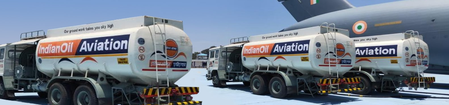
The government has modified regulations to permit the use of Aviation Turbine Fuel blended with Sustainable Aviation Fuel (SAF) in aircraft fueling. This move aims to reduce emissions from international flights, as announced by the Ministry of Petroleum and Natural Gas. The amendment expands the definition of Aviation Turbine Fuel to include SAF co-processed alongside ATF, meeting specific standards.
Sustainable Aviation Fuel (SAF) is composed of aviation-grade hydrocarbons similar to ATF, ensuring compatibility with aircraft engines without compromising safety or performance. SAF undergoes rigorous testing recognized by the International Civil Aviation Organisation (ICAO) and ASTM International for aviation engine suitability. The inclusion of SAF is crucial to align India with the global supply chain of SAF and reduce greenhouse gas emissions.
Recognizing the renewable nature of SAF derived from alternative sources like crops and waste materials, the government aims to meet global emission control requirements. The International Civil Aviation Organisation (ICAO) is implementing CORSIA to regulate emissions from international flights, with a mandatory phase starting in 2027. India has set indicative blending targets for SAF in ATF for international flights, starting at 1% in 2027 and increasing to 5% by 2030.
Globally, other countries are also adopting similar measures to promote the use of Sustainable Aviation Fuel. The European Union, United Kingdom, United States, Japan, and Singapore have introduced SAF blending mandates or incentives to reduce carbon emissions. India’s commitment to transitioning to green fuels underscores its focus on sustainability, domestic production, and participation in the global clean energy ecosystem.
