


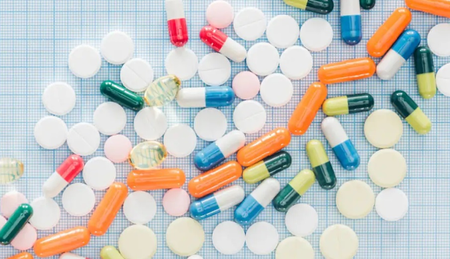
The government has enforced a ban on the production, sale, and distribution of oral pain and fever medications containing Nimesulide exceeding 100 milligrams in immediate-release form. This decision, made under Section 26A of the Drugs and Cosmetics Act, 1940, follows consultation with the Drugs Technical Advisory Board. Health Ministry’s notification highlighted the potential risks associated with Nimesulide above the specified dosage and emphasized the availability of safer alternatives.
Nimesulide, classified as a non-steroidal anti-inflammatory drug, has faced global concerns regarding liver toxicity and other adverse effects. This ban aligns with the government’s efforts to enhance safety standards and phase out high-risk medicines. The restriction applies solely to high-dose Nimesulide products for human use, allowing lower-dose formulations and alternative therapies to remain accessible.
Pharmaceutical companies marketing Nimesulide brands are required to cease production and recall affected batches. Analysts predict a limited financial impact on major drug manufacturers, as Nimesulide constitutes a small portion of overall NSAID sales. However, smaller firms heavily reliant on Nimesulide products may experience revenue challenges.
India has previously utilized Section 26A to prohibit various fixed-dose combinations and high-risk drugs in the interest of public health. The country has significantly invested in domestic active pharmaceutical ingredient manufacturing, with approximately Rs 4,763.34 crore allocated under the Promotion of Bulk Drug Parks scheme until September 2025. This investment surpasses the initial commitment for greenfield projects, demonstrating a proactive approach to ensuring a stable supply chain for critical medications.
The Production Linked Incentive (PLI) scheme for Bulk Drugs aims to mitigate supply chain disruptions by reducing dependence on single sources for essential Active Pharmaceutical Ingredients (APIs). With a budget allocation of Rs 6,940 crore, the scheme plays a crucial role in safeguarding the availability of vital drugs with no viable alternatives.
