


The Central Government has responded strongly to allegations from Opposition parties, particularly the DMK, regarding potential injustice in the upcoming delimitation exercise. Official sources emphasize that the reforms aim to enhance representation nationwide while ensuring fairness, with specific provisions for women and marginalized communities. The proposed expansion of legislative representation, including a significant increase in Lok Sabha seats from 543 to potentially 850, lies at the core of the government’s argument.
This expansion is intended to benefit all states, including those in southern India, with Tamil Nadu likely to see its Lok Sabha representation rise from 39 to 59 seats. The government has clarified that the delimitation exercise will be based on the 2011 Census data, a move seen as promoting consistency and preventing arbitrary redistribution. Not only parliamentary constituencies but also state Assembly constituencies will be redrawn using the 2011 population figures.
Reforms also involve a notable rise in the total number of Assembly seats nationwide, from 4,123 to 6,186, and a 50% increase in overall legislative body representation. The government has assured that the reforms will include provisions for a “quota within quota” system, ensuring vertical reservation for Scheduled Castes (SC) and Scheduled Tribes (ST) women within the broader women’s quota. Seven Constitutional provisions are set to be amended to facilitate changes in representation and reservation.
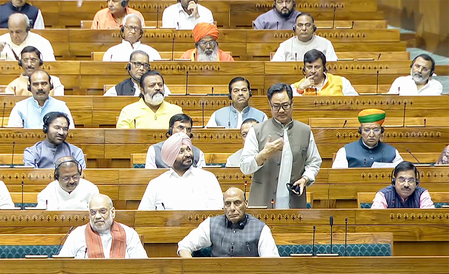
Union Ministers Arjun Ram Meghwal and Amit Shah have introduced three key bills in the Lok Sabha to operationalize women’s reservation before the 2029 general elections. The government has dismissed the Opposition’s criticism as politically driven, particularly targeting the DMK for what they term a “political stunt” to create a misleading narrative on regional imbalances. Emphasizing the constitutionality of the delimitation and reservation framework, government sources stress that the aim is to enhance democratic participation without reducing representation for any region.
